

Views: 0 Author: Site Editor Publish Time: 2025-06-16 Origin: Site


In the demanding environment of maritime operations, safety and protection are paramount. When vessels dock or berth, the interaction between the ship and port infrastructure carries significant risk of damage. This is where marine fenders come into play — essential components that safeguard ships, docks, and ports from costly impacts and wear. As a globally trusted provider, Hongruntong supplies a diverse range of high-quality marine fenders engineered to deliver superior berthing protection for all types of vessels and maritime facilities. In this article, we will explore the vital functions of marine fenders, how they protect different vessels, their importance in port infrastructure, and the standards ensuring their reliability.
Berthing a ship is a complex process that involves substantial forces and risks. Ships arriving at a port or docking station must slow down and come alongside piers, wharfs, or other vessels. However, without adequate protection, the collision forces can cause severe damage to both the vessel’s hull and the port structures. The risks include hull deformation, structural damage to the quay, costly repairs, operational delays, and even safety hazards for personnel.
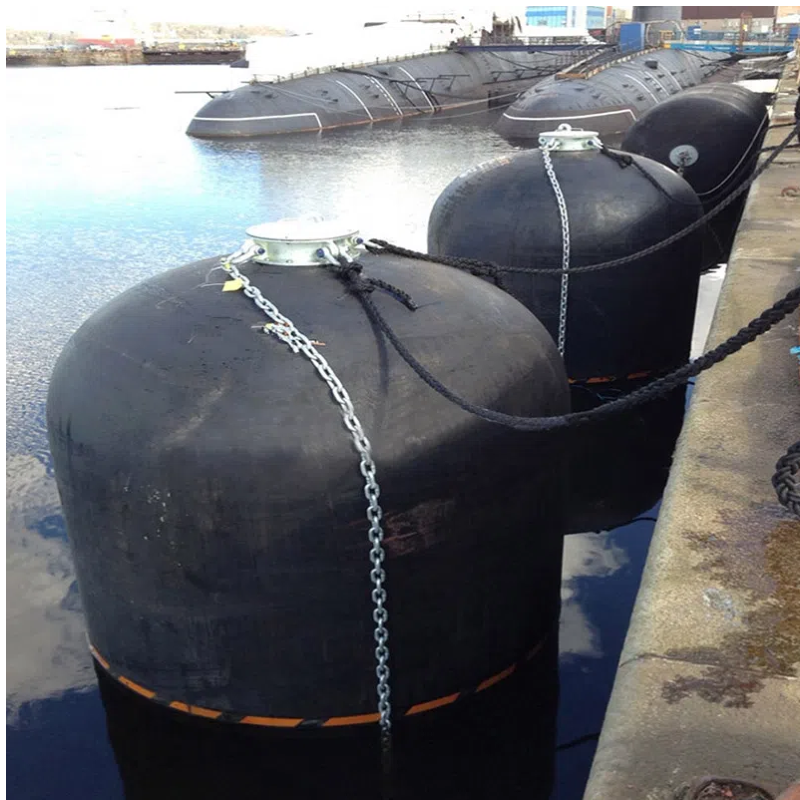
A marine fender is a device specifically designed to absorb the kinetic energy generated during berthing and mooring operations. By acting as a cushion between the ship and the berth, marine fenders reduce impact forces and prevent direct contact that could result in damage. Their presence is critical not only for protecting valuable assets but also for ensuring smooth, safe, and efficient docking procedures.
Marine fenders perform several important functions that contribute directly to the safety and efficiency of maritime operations:
The primary role of a marine fender is to absorb and dissipate the energy generated by a vessel’s momentum during docking. As a ship approaches the quay, the kinetic energy is transferred through the fender rather than the ship’s hull or the dock. This cushioning effect significantly minimizes the reaction forces exerted on both structures, reducing the risk of damage and structural stress.
By providing a flexible barrier, marine fenders prevent scratches, dents, and more severe damage to the ship’s hull. Simultaneously, they protect the quay or offshore platform from cracks, deformations, or material wear that could compromise the integrity of port infrastructure. Without marine fenders, the cost of repairs and downtime could escalate dramatically.
Fenders improve the overall safety of berthing operations by controlling the contact between the ship and the berth. This reduces the chances of uncontrolled impacts and accidents, safeguarding crew members, port workers, and cargo during the critical moments of docking.
Marine fenders are not a one-size-fits-all solution. Different vessels and maritime environments require tailored protection. Hongruntong offers a range of marine fenders designed to meet the specific needs of various ship types and operational conditions.
Large cargo vessels, including container ships and bulk carriers, require robust fender systems capable of handling significant mass and momentum. Pneumatic fenders, with their excellent energy absorption and low reaction force, are commonly used for ship-to-ship and ship-to-dock operations involving heavy commercial ships.
Military vessels often demand specialized fender solutions that accommodate high standards of security and operational precision. Hydro pneumatic fenders, for example, provide vertical stability and shock absorption, making them ideal for naval bases where precise berthing of warships is required.
Submarines have unique berthing challenges due to their underwater hulls and sensitive structures. Hydro pneumatic fenders are specifically engineered to protect submarines by maintaining vertical alignment and providing cushioning underwater. This prevents damage while ensuring safe docking at underwater platforms and specialized submarine berths.
Marine fenders must also withstand diverse environmental conditions, from calm harbor waters to harsh offshore and tidal zones. Donut fenders, with their ability to rotate around piles and follow tidal movements automatically, offer 360-degree protection, adapting seamlessly to changing water levels and vessel movements.
Selecting the right marine fender system is crucial not only for vessel safety but also for the long-term health and cost-efficiency of port facilities.
Properly chosen marine fenders absorb impact forces that would otherwise stress or damage the quay, pier, or offshore platforms. This protection preserves the structural integrity of critical infrastructure, ensuring safe, reliable port operations.
Marine infrastructure is expensive to build and maintain. Effective fender systems help minimize physical wear and tear, significantly reducing the frequency and cost of repairs. This leads to lower operational downtime and increased availability of berthing spaces.
By preventing damage from frequent vessel impacts, marine fenders contribute to prolonging the lifespan of port assets. Investing in high-quality fenders ensures that port infrastructure remains operational and secure for many years, maximizing return on investment.
Quality and compliance are fundamental in marine fender manufacturing to guarantee performance and safety.
Marine fenders must meet international standards such as ISO 17357, which defines the requirements for fender performance, testing, and durability. The PIANC (World Association for Waterborne Transport Infrastructure) guidelines also provide best practices for design, selection, and installation of fender systems, ensuring they meet the operational demands and environmental conditions of ports.
High-quality materials and precise manufacturing processes determine the effectiveness and longevity of marine fenders. Hongruntong uses premium-grade rubber, polyurethane skins, and closed-cell foam cores to manufacture fenders that resist abrasion, corrosion, and harsh weather. This ensures that our products maintain performance over extended periods with minimal maintenance.
Marine fenders play an indispensable role in protecting vessels and port infrastructure, absorbing energy, preventing damage, and enhancing safety during berthing operations. Choosing the right fender system tailored to vessel types and environmental conditions safeguards both ships and ports, reduces maintenance costs, and extends the operational lifespan of facilities.
Hongruntong, with over three decades of expertise and a comprehensive product range, provides top-tier marine fenders including pneumatic, hydro pneumatic, foam-filled, and donut fenders. All our products meet international standards and are designed to deliver reliable, efficient protection in the most demanding maritime environments.
For maritime operators seeking to improve port safety and efficiency, investing in quality marine fenders is a practical and cost-effective decision.
Contact us today to learn more about our marine fender solutions and how we can help secure your port operations with the best protection products available.


