

Views: 0 Author: Site Editor Publish Time: 2026-02-06 Origin: Site


Have you ever wondered how ships safely dock without causing damage? Pneumatic fenders play a crucial role in maritime safety. These inflatable devices protect vessels and port infrastructure during berthing and mooring.
In this article, we’ll explore what pneumatic fenders are, their structure, and how they function. You’ll also learn about their benefits and why HONGRUNTONG is a leading manufacturer in this field. Join us as we dive into the world of pneumatic fenders!
Pneumatic fenders are essential for maritime safety, and understanding their structure helps us appreciate their effectiveness. These fenders consist of several key components, each playing a vital role in their overall performance.
1. Outer Rubber Layer
The outer layer is the first line of defense. Made from high-quality rubber, it resists wear, UV exposure, and saltwater damage. This durability ensures the fender can withstand harsh marine conditions.
a. Material Properties: The rubber is designed to maintain its integrity over time, providing reliable protection.
b. Durability: It can endure extreme weather, ensuring long-lasting use.
2. Reinforced Cord Layers
Beneath the outer layer, reinforced cord layers add strength and flexibility. These layers are critical for maintaining the fender's shape and structural integrity during use.
a. Function: They help distribute impact forces evenly, reducing the risk of damage to both the fender and the vessels.
b. Specification Details:Tire Cord Type:
i. Typically made from synthetic materials to enhance strength.
ii. Tensile Strength: For example, the warp cords can have a tensile strength of up to 20 N/mm².
3. Inner Air Bladder
The inner air bladder is crucial for energy absorption. It compresses upon impact, absorbing kinetic energy and minimizing shock to the vessels.
a. Role in Energy Absorption: When a ship collides with the fender, the air inside compresses, effectively reducing the force of the impact.
b. Pressure Maintenance: It ensures consistent performance by maintaining the necessary air pressure.
4. End Flanges
End flanges serve as connection points for inflation and accessories. These components are often galvanized to resist corrosion, ensuring longevity.
a. Inflation: They allow easy inflation and deflation of the fender, making it convenient to reposition as needed.
b. Accessories: They can accommodate additional features like tire nets for enhanced protection.
Pneumatic fenders must meet specific construction standards to ensure reliability and safety. The ISO 17357 standard is key in this regard.
● Overview of ISO 17357 Compliance: This international standard outlines performance criteria for pneumatic fenders, ensuring they meet industry expectations. Compliance signifies that the fenders have been rigorously tested and validated.
● Quality Control Measures: Manufacturers like HONGRUNTONG implement strict quality control processes throughout production. This includes:
○ Regular inspections at various stages of manufacturing.
○ Testing materials for durability and performance.
● Certification Details: Pneumatic fenders often carry certifications from recognized classification societies such as ABS, BV, and DNV. These certifications provide assurance of the fender's quality and reliability, making them a trusted choice in the industry.
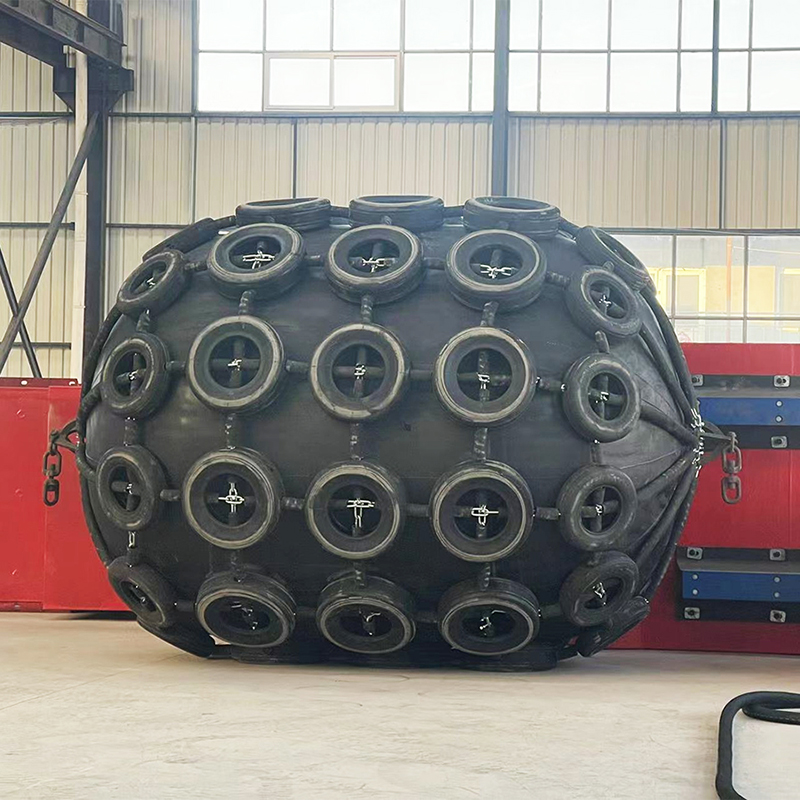
Pneumatic fenders are designed to absorb and dissipate energy during impacts, making them crucial for maritime safety. Understanding how they function reveals why they are so effective in protecting vessels and docks.
When a ship approaches the dock, the pneumatic fender compresses upon impact. This compression is essential for energy absorption, which occurs in several stages:
● Initial Contact: As the ship makes contact, the fender begins to compress, reducing the force of impact.
● Compression Phase: The air inside the fender compresses, allowing it to absorb kinetic energy. This phase is critical for minimizing shock.
● Dissipation: After the initial impact, the fender gradually releases the absorbed energy, ensuring a smooth transition and preventing rebound forces.
This mechanism effectively reduces the risk of damage to both the ship and the dock, providing a safer berthing experience.
The design of pneumatic fenders significantly lowers the risk of damage during berthing and mooring operations. Here’s how they compare to other fender types:
● Reduced Damage Risk: Pneumatic fenders can absorb more energy than traditional fenders, such as foam-filled options. This capability means less stress is placed on the vessel and docking infrastructure.
● Versatility: They can adapt to different ship sizes and types, ensuring consistent performance across various maritime operations.
In contrast, foam-filled fenders may not compress as effectively, leading to higher impact forces and potential damage.
Performance metrics are crucial for evaluating the effectiveness of pneumatic fenders. One key measure is the Guaranteed Energy Absorption (GEA) at various pressures. Here’s a snapshot of what you can expect:
Pressure (kPa) | GEA (kN) | Example Model |
50 | 120 | Model A |
80 | 150 | Model B |
100 | 180 | Model C |
These figures illustrate how HONGRUNTONG's fenders perform under different conditions, showcasing their reliability and effectiveness in real-world scenarios. The data indicates that as pressure increases, so does the energy absorption capacity, making them suitable for various maritime applications.
By leveraging the unique properties of pneumatic fenders, operators can enhance safety during ship operations. Their ability to absorb and dissipate energy effectively makes them a preferred choice in the industry. Whether you’re managing a busy port or a single vessel, understanding how these fenders work is key to ensuring safe and efficient operations.
Pneumatic fenders offer several functional advantages that make them a top choice in maritime operations. Their unique design and materials contribute to high energy absorption, low reaction forces, and adaptability to various vessels.
One of the standout features of pneumatic fenders is their ability to absorb significant amounts of energy during impacts. This is crucial for protecting both ships and docks.
● Performance Metrics:
○ At 50 kPa, pneumatic fenders can achieve a Guaranteed Energy Absorption (GEA) of approximately 120 kN.
○ At 80 kPa, this increases to about 150 kN.
This capacity ensures that even large vessels can dock safely without causing damage. The energy absorption capability is a major advantage over traditional fender types.
Pneumatic fenders are designed to exert a low reaction force when compressed. This feature is vital for protecting ship hulls from damage.
● How It Works: When a ship collides with a fender, the air bladder compresses, absorbing energy. The low reaction force means less stress is transferred to the vessel.
● Comparative Analysis: Compared to foam-filled fenders, pneumatic fenders provide a gentler impact. Foam-filled options can create higher reaction forces, increasing the risk of hull damage.
This quality makes pneumatic fenders ideal for various maritime applications, ensuring vessels can dock safely without incurring costly repairs.
Another significant advantage of pneumatic fenders is their portability. They are easy to relocate and re-commission, making them versatile for different operational needs.
● Ease of Relocation: These fenders can be quickly moved to different berths or locations within a port, accommodating changing shipping schedules.
● HONGRUNTONG Designs: HONGRUNTONG offers designs that enhance portability. Their fenders are lightweight yet durable, allowing for easy transport and setup.
This flexibility is essential for busy ports where rapid changes in vessel traffic occur.
Pneumatic fenders are suitable for a wide range of vessels, from tankers to container ships and offshore platforms. This adaptability is crucial for diverse maritime operations.
● Different Ship Types:
○ Tankers: Require robust fenders for safe docking due to their size and weight.
○ Container Ships: Benefit from pneumatic fenders' energy absorption capabilities during high-speed berthing.
○ Offshore Platforms: Use these fenders to protect against harsh environmental conditions while maintaining stability.
This versatility ensures that pneumatic fenders can meet the demands of various maritime activities, making them an essential component in modern shipping operations.
Pressure (kPa) | GEA (kN) | Application Type |
50 | 120 | Tankers |
80 | 150 | Container Ships |
100 | 180 | Offshore Platforms |
Pneumatic fenders' functional advantages significantly enhance safety and efficiency in maritime operations. Their high energy absorption, low reaction forces, portability, and adaptability make them a reliable choice for ship operators and port authorities alike.
Pneumatic fenders offer a range of benefits that make them the preferred choice for maritime operations. Their design and functionality contribute to enhanced safety, durability, cost-effectiveness, and customization options.
Operational safety is paramount in maritime activities. Pneumatic fenders significantly reduce the risk of damage during ship-to-ship and ship-to-dock operations.
● Minimized Damage: The energy absorption capabilities of pneumatic fenders protect vessels from harsh impacts. This ensures smoother berthing and mooring processes.
● Real-World Examples: HONGRUNTONG fenders have been successfully implemented in various ports globally. For instance, a major shipping terminal in Asia reported a 30% reduction in docking-related damage after switching to HONGRUNTONG pneumatic fenders.
These improvements reflect the fenders' effectiveness in enhancing safety across maritime operations.
Durability is a key factor when selecting fenders for marine environments. Pneumatic fenders are built to withstand harsh conditions.
● Material Resilience: Made from high-quality rubber and reinforced cord layers, these fenders resist wear, UV exposure, and saltwater damage.
● Multi-Layer Construction: HONGRUNTONG fenders feature a robust multi-layer design, ensuring they maintain structural integrity over time. This construction allows them to endure repeated impacts without degrading.
With proper maintenance, these fenders can last many years, making them a reliable investment.
Choosing pneumatic fenders can lead to significant cost savings over time. Their design not only enhances performance but also reduces operational costs.
● Maintenance Needs: Pneumatic fenders require minimal maintenance compared to other fender types. Regular inspections and occasional inflation checks are typically sufficient.
● Competitive Pricing: HONGRUNTONG's efficient production processes allow them to offer competitive pricing. This affordability, combined with their durability, results in lower overall operational costs.
The long lifespan and low maintenance requirements make these fenders a smart financial choice for any maritime operation.
Every maritime operation has unique needs, and pneumatic fenders can be tailored to meet specific requirements.
● Non-Standard Sizes: HONGRUNTONG offers a variety of sizes to accommodate different vessels and docking scenarios. This flexibility ensures that operators can find the right fit for their specific applications.
● Examples of Customization: Custom features might include specific colors, additional protective layers, or unique mounting options. This adaptability helps ensure optimal performance in diverse environments.
By providing customization options, HONGRUNTONG helps clients enhance the effectiveness of their fender systems.
Benefit | Description |
Enhanced Operational Safety | Reduces damage during docking operations |
Long-Term Durability | Resilient materials ensure longevity |
Cost-Effectiveness | Low maintenance and competitive pricing |
Customization Options | Tailored sizes and features for specific needs |
Choosing pneumatic fenders is a strategic decision that enhances safety, reduces costs, and provides long-lasting performance. Their adaptability and durability make them an essential component for any maritime operation.
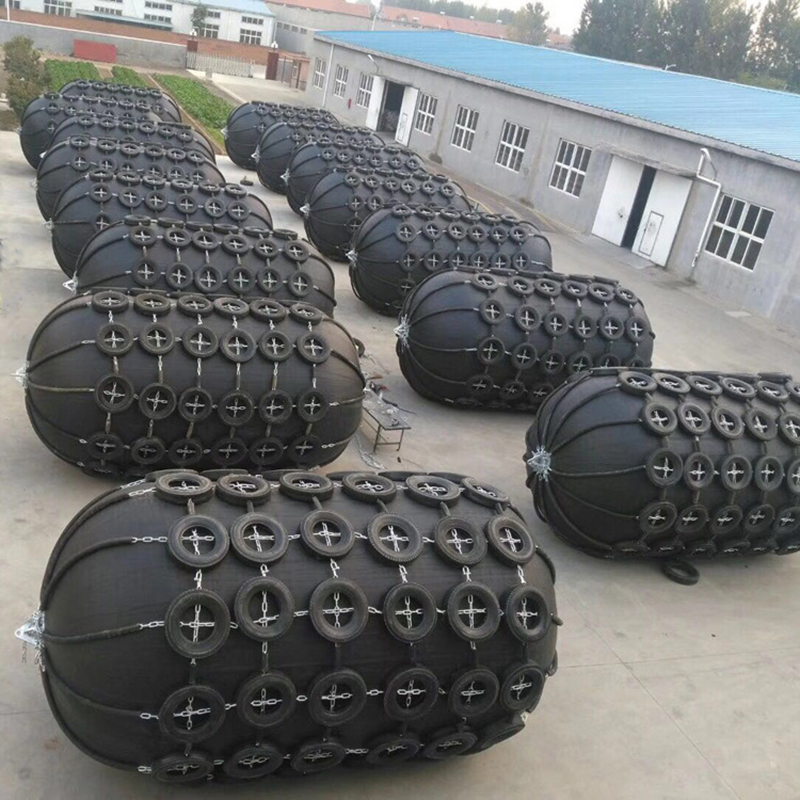
Pneumatic fenders are a valuable investment in maritime operations, but like any equipment, they require proper maintenance to ensure longevity and optimal performance. Understanding how to care for these fenders can significantly extend their lifespan.
Routine maintenance is essential for keeping pneumatic fenders in top condition. Here are some key practices to follow:
● Importance of Routine Checks: Regular inspections help identify any wear or damage early. This proactive approach can prevent costly repairs later.
● Inflation Monitoring: Maintaining the correct air pressure is crucial. Under-inflated fenders may not absorb energy effectively, while over-inflated ones can be prone to damage.
Recommended Maintenance Schedule:
● Weekly Checks: Inspect for visible damage and ensure proper inflation.
● Monthly Inspections: Conduct a thorough examination of the fender's surface and connections.
● Annual Overhaul: Perform a comprehensive review, including pressure tests and material assessments.
The longevity of pneumatic fenders largely depends on maintenance practices and material quality.
● Typical Lifespan: With proper care, pneumatic fenders can last 10 to 15 years. This range can vary based on usage and environmental conditions.
● Factors Affecting Longevity:
○ Material Quality: High-quality rubber and reinforced layers contribute to durability.
○ Environmental Exposure: UV rays, saltwater, and extreme temperatures can degrade materials over time.
Proper storage is vital for maintaining the condition of pneumatic fenders when not in use. Here are some best practices:
● Avoid Direct Sunlight: Store fenders in a shaded area to prevent UV damage.
● Keep Dry: Moisture can lead to mold and deterioration; ensure fenders are stored in a dry environment.
● Use Protective Covers: If possible, cover fenders with tarps or protective materials to shield them from environmental elements.
Recommendations from HONGRUNTONG:
● Store fenders in a vertical position to prevent deformation.
● Regularly clean the fenders to remove salt and debris, which can cause wear.
Maintenance Activity | Frequency | Purpose |
Routine Checks | Weekly | Identify wear or damage |
Inflation Monitoring | Weekly | Ensure effective energy absorption |
Thorough Inspections | Monthly | Comprehensive condition assessment |
Comprehensive Overhaul | Annually | Detailed review of performance |
By following these maintenance practices, operators can maximize the performance and lifespan of pneumatic fenders. Investing time in proper care not only enhances safety but also ensures that these fenders remain a reliable asset in maritime operations.
Pneumatic fenders are essential for maritime safety. They feature a robust structure that effectively absorbs energy during impacts. Their design minimizes damage during docking and mooring operations.
These fenders offer long-term durability, low maintenance needs, and customization options. Investing in pneumatic fenders enhances operational safety in various maritime activities.
For reliable performance, consider HONGRUNTONG products for your maritime needs.
A: Pneumatic fenders typically come in various sizes, ranging from 0.5 to 3.5 meters in diameter, accommodating different vessel types.
A: Consider the vessel's size, weight, and operational conditions to select a fender with appropriate energy absorption and dimensions.
A: Inspect the damage, and if severe, contact the manufacturer for repair or replacement options to ensure safety.
A: Regular inspections should be conducted weekly, with thorough assessments monthly and comprehensive overhauls annually.
A: HONGRUNTONG fenders offer high energy absorption, durable materials, low maintenance needs, and customizable options, ensuring reliability in maritime operations.


