

Views: 0 Author: Site Editor Publish Time: 2026-02-06 Origin: Site


Have you ever wondered why some ships use different types of fenders? Understanding the distinctions between pneumatic fenders and Yokohama fenders is crucial for safe maritime operations.
In this article, we aim to clarify common misconceptions and provide detailed insights into these two types of fenders. You’ll learn about their unique features, advantages, and applications, helping you make informed decisions for your maritime needs.
Pneumatic fenders are inflatable rubber structures designed to protect ships during berthing and mooring operations. They are filled with air, allowing them to absorb impact energy effectively.
These fenders are typically constructed from high-quality rubber and reinforced with synthetic tire cords. This combination ensures durability and strength, making them suitable for various marine environments.
Pneumatic fenders serve several critical functions in maritime operations:
● Energy Absorption: They cushion the impact when vessels come alongside each other or dock. This absorption minimizes shock and reduces the risk of damage to both the ship and the port infrastructure.
● Collision Protection: By acting as a buffer, pneumatic fenders help prevent collisions during berthing. This is essential for maintaining the integrity of vessels and ensuring safety in busy ports.
Pneumatic fenders offer numerous benefits, making them a preferred choice in the maritime industry:
● High Energy Absorption Capabilities: They are designed to absorb significant energy during impact, ensuring safe berthing. This feature is crucial for large vessels that experience substantial forces.
● Low Reaction Force: Unlike some other fender types, pneumatic fenders exert minimal pressure on a ship's hull. This characteristic reduces the risk of structural damage, making them safer for various vessel types.
● Durability and Long-Term Reliability: Their multi-layer construction enhances durability, allowing them to withstand harsh marine conditions. This reliability means fewer replacements and lower long-term costs.
● Portability and Adaptability: Pneumatic fenders are easily deflatable, making them portable for relocation and re-commissioning. They can also be customized to meet specific requirements, such as size and application, accommodating different vessel types like oil tankers and container ships.
HONGRUNTONG is dedicated to providing high-quality pneumatic fenders and ensuring customer satisfaction. Their products adhere to strict international standards, including ISO 17357, guaranteeing performance and reliability.
With a professional international sales team, HONGRUNTONG supports clients globally, helping them choose the right fender solutions for their unique needs. This commitment to excellence sets HONGRUNTONG apart in the competitive maritime market.
Feature | Pneumatic Fenders | Yokohama Fenders |
Energy Absorption | High | High |
Reaction Force | Low | Moderate |
Durability | Multi-layer construction | Generally durable |
Customization | Highly customizable | Limited customization |
Pneumatic fenders are not just functional; they are essential tools for ensuring safety in maritime operations. Understanding their features and advantages can help you make informed decisions when selecting fenders for your vessels.
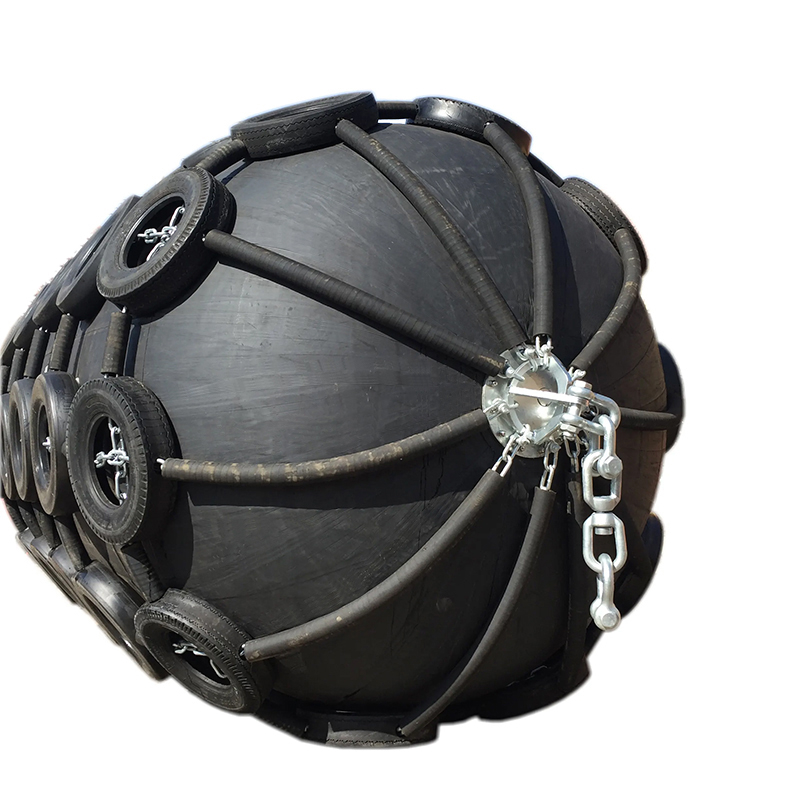
Yokohama fenders are a specific type of pneumatic fender, recognized for their innovative design and effectiveness in marine applications. Developed by the Yokohama Rubber Company in the 1950s, these fenders have become a standard in the maritime industry.
They are characterized by their cylindrical shape and robust construction, which allows them to absorb significant impact energy. This makes them ideal for protecting vessels during docking and mooring operations. The unique design helps distribute forces evenly, minimizing damage to both the ship and the docking facilities.
Yokohama fenders are widely used across various maritime applications:
● Port Operations: They are essential in ports where ships frequently berth. Their energy absorption capabilities protect vessels from collisions, ensuring safe docking procedures.
● Shipping Industry: These fenders are utilized in shipping for safe loading and unloading operations. Their design allows them to handle the heavy impacts associated with large vessels.
● Offshore Projects: In offshore operations, Yokohama fenders play a critical role in protecting platforms from supply vessels. They help maintain safety during transfers of goods and personnel.
● Dredging Operations: They are also used in dredging to protect equipment and vessels from impacts caused by shifting materials.
Application Area | Benefits of Yokohama Fenders |
Port Operations | Enhanced safety during docking |
Shipping Industry | Protection during loading/unloading |
Offshore Projects | Safe transfer of goods and personnel |
Dredging Operations | Protection of equipment and vessels |
Yokohama fenders are more than just protective devices; they are integral to the smooth operation of maritime activities. Their established reputation stems from years of reliable performance, making them a trusted choice in the industry.
The combination of their historical significance and practical applications highlights why Yokohama fenders are a preferred option for many marine operations. Whether in busy ports or offshore settings, their impact-absorbing features ensure safety and efficiency.
To start, it's essential to clarify that Yokohama fenders are a specific type of pneumatic fender. While all Yokohama fenders fall under the broader category of pneumatic fenders, not all pneumatic fenders are Yokohama fenders. Pneumatic fenders encompass a wide range of inflatable fenders designed for marine applications, but Yokohama fenders are particularly renowned for their unique design and historical significance in the industry.
This distinction is important for operators looking to choose the right fender for their specific needs. Understanding this relationship helps clarify the options available in the market, ensuring that users select the fender that best meets their operational requirements.
When it comes to quality assurance, compliance with international standards is crucial. HONGRUNTONG fenders adhere to ISO 17357, which sets strict guidelines for performance and safety in marine operations. This compliance ensures that HONGRUNTONG products meet high-quality benchmarks, providing peace of mind for users who depend on reliable equipment.
● ISO 17357 Compliance:
○ Guarantees performance and safety
○ Ensures fenders can handle specified energy absorption levels
○ Provides a benchmark for durability and reliability
In contrast, while Yokohama fenders also meet various international standards, the specifics can vary by manufacturer. HONGRUNTONG's commitment to ISO compliance highlights its dedication to producing reliable and safe fender solutions, making them a trustworthy choice for maritime operations.
Customization is another area where HONGRUNTONG excels, offering a range of options to meet specific operational needs. Their pneumatic fenders can be tailored for various applications, whether for oil tankers, container ships, or offshore platforms. This adaptability is crucial for clients who require specific features based on their operational conditions.
● HONGRUNTONG Customization Options:
○ Sizes and Shapes: Available in multiple dimensions to fit different vessel types.
○ Pressure Ratings: Custom pressure ratings can be set to accommodate varying operational environments.
○ Special Features: Options for additional protective layers or coatings to enhance performance.
On the other hand, while Yokohama fenders offer some customization, the options may be more limited compared to HONGRUNTONG’s extensive offerings. This flexibility allows HONGRUNTONG to cater to diverse maritime needs effectively, ensuring that clients receive solutions tailored to their unique circumstances.
The materials used in constructing pneumatic fenders and Yokohama fenders play a significant role in their overall performance and longevity. HONGRUNTONG fenders are made from high-quality rubber reinforced with synthetic tire cords, which enhances their tensile strength and provides excellent ozone resistance. This construction ensures durability, especially in harsh marine environments where exposure to saltwater and UV rays can degrade lesser materials.
Feature | HONGRUNTONG Fenders | Yokohama Fenders |
Material | High-quality rubber | Standard rubber |
Tensile Strength | Enhanced for durability | Varies by model |
Ozone Resistance | High | Moderate |
Customization | Extensive | Limited |
Energy Absorption | High | High |
The choice of materials directly impacts the fender's lifespan, performance, and ability to withstand the rigors of marine operations. HONGRUNTONG’s focus on using superior materials results in fenders that provide reliable performance over time, making them a preferred choice for various maritime applications.
In summary, understanding these key differences between pneumatic fenders and Yokohama fenders can help you make informed decisions when selecting the right fender for your maritime needs. The combination of compliance, customization, and material quality ensures that HONGRUNTONG stands out in the market, offering solutions tailored to meet diverse operational demands. This attention to detail and commitment to quality positions HONGRUNTONG as a leader in the fender manufacturing industry, trusted by clients worldwide.
Energy absorption is a critical performance metric for pneumatic fenders and Yokohama fenders. For HONGRUNTONG pneumatic fenders, performance data shows impressive results at different pressures, such as 50 kPa and 80 kPa.
● Guaranteed Energy Absorption (GEA): At a deflection of 60%, HONGRUNTONG fenders can absorb significant energy, ensuring safety during berthing.
● Hull Pressure: At GEA deflection, the hull pressure exerted by HONGRUNTONG fenders is minimized, reducing the risk of damage to the vessel.
Here’s a quick look at the performance metrics for HONGRUNTONG pneumatic fenders at different pressures:
These metrics highlight the efficiency of HONGRUNTONG fenders in absorbing energy and minimizing reaction forces, making them a reliable choice for various marine applications.
When it comes to durability, pneumatic fenders generally have a longer lifespan compared to Yokohama fenders. HONGRUNTONG pneumatic fenders are designed to withstand harsh marine conditions, often lasting up to 10 years or more with proper care.
● Lifespan Comparison:
○ HONGRUNTONG Pneumatic Fenders: 10+ years with regular maintenance.
○ Yokohama Fenders: Typically 5-7 years, depending on usage and environmental factors.
Maintenance is essential for ensuring the longevity of these fenders. Here are some best practices for maintaining HONGRUNTONG fenders:
● Regular Inspections: Check for wear and tear, ensuring no punctures or abrasions are present.
● Cleaning: Rinse fenders with fresh water after exposure to saltwater to prevent degradation.
● Storage: Store fenders in a cool, dry place when not in use to avoid UV damage.
By following these maintenance tips, users can extend the lifespan of HONGRUNTONG pneumatic fenders, ensuring they remain effective and reliable over time.
In summary, understanding the performance metrics of pneumatic fenders and Yokohama fenders is crucial for making informed decisions in maritime operations. The energy absorption capabilities, reaction forces, and durability factors play a significant role in selecting the right fender for specific needs.
Pneumatic fenders, especially those from HONGRUNTONG, are versatile tools in various maritime operations. Their design and performance make them suitable for several critical applications:
● Ship-to-Ship Transfers: HONGRUNTONG fenders are ideal for facilitating safe ship-to-ship transfers. They provide cushioning during the transfer of cargo or personnel, minimizing the risk of damage from impacts. This is particularly useful in oil and gas operations where safety is paramount.
● Ship-to-Dock Operations: During berthing, pneumatic fenders protect ships from colliding with docks or other vessels. Their energy absorption capabilities effectively cushion impacts, ensuring that both the ship and docking infrastructure remain intact. This is crucial in busy ports where space is limited and precision is required.
● Offshore Platform Protection: When vessels approach or depart from offshore platforms, HONGRUNTONG fenders play a vital role in ensuring safety. They absorb the energy from the vessel's movement, protecting the platform from potential damage. This application is particularly important in harsh marine environments where weather conditions can be unpredictable.
Yokohama fenders also have specific scenarios where they excel, particularly in emergency situations:
● Emergency Mooring Situations: Yokohama fenders are often used in emergency mooring situations due to their robust construction. Their ability to absorb high levels of energy makes them suitable for quick deployments when vessels need to secure themselves rapidly. This flexibility can be a lifesaver in critical moments.
● High-Impact Scenarios: In areas where vessels frequently experience heavy impacts, such as busy shipping lanes, Yokohama fenders provide reliable protection. They are designed to handle the stress of sudden movements, making them a go-to option for ports that see a lot of traffic.
Application Area | HONGRUNTONG Pneumatic Fenders | Yokohama Fenders |
Ship-to-Ship Transfers | Excellent | Good |
Ship-to-Dock Operations | Excellent | Moderate |
Offshore Platform Protection | Excellent | Good |
Emergency Mooring Situations | Moderate | Excellent |
In summary, both pneumatic fenders and Yokohama fenders have unique applications in maritime operations. HONGRUNTONG fenders shine in routine operations like ship-to-ship transfers and dock berthing, while Yokohama fenders excel in emergency situations. Understanding these use cases helps maritime operators make informed decisions about which fender type best suits their needs.
In summary, pneumatic fenders and Yokohama fenders serve unique purposes in maritime operations.
Pneumatic fenders excel in routine tasks like ship-to-ship transfers and docking.
Yokohama fenders are best for emergency mooring situations.
Choosing the right fender is crucial for safety and efficiency.
Consider HONGRUNTONG for top-quality fender solutions, known for their reliable products and excellent services.


