

Views: 0 Author: Site Editor Publish Time: 2026-04-13 Origin: Site


A lot of replacement mistakes happen for one simple reason: people measure only one part of boat fenders, then reorder the wrong size. A fender may look similar at first glance, but small differences in diameter, overall length, or hanging area can change how it performs at the dock. That is why measuring should never be rushed, especially when the goal is to replace worn fenders or upgrade to better protection. At Hongruntong, this stage matters because measurement usually comes right before purchase, and the right numbers help customers move from guesswork to a more practical protection setup.
The first step is to identify the fender type. Cylindrical boat fenders are the most familiar style, and they are also the easiest to measure correctly once you know what to look for. Their main body is long and rounded, usually with rope holds or eyelets at each end for hanging.
For this type, the most important dimensions are body diameter and overall body length. Diameter tells you how much stand-off the fender creates between hull and dock. Length tells you how much of the contact area the fender can cover. If you only measure length, you may end up with a replacement that looks similar but does not provide enough separation. If you only measure diameter, you may get enough cushioning but too little working coverage along the hull.
Round or ball fenders change the measurement logic because the body is shaped differently. Instead of comparing diameter and long-body length in the same way as a cylindrical model, the main focus is the size of the round body itself. Some buyers confuse circumference, girth, and diameter when checking this type, which can easily lead to ordering the wrong replacement.
The simplest method is to measure straight across the widest part of the body. That gives a practical working diameter. If a round fender looks flattened from use, the measurement should reflect its intended body size, not just the compressed shape it shows after months of pressure.
Flat, corner, and profile styles are measured differently because they are often shaped for a specific contact zone rather than for general portable use. These designs may be used on boats, docks, or fixed structures, so width, height, thickness, and mounting area all become important.
This is especially useful for readers comparing portable protection with dock-mounted systems. A profile that works well on a slip edge or dock corner may not be measured the same way as a hanging boat fender. Before measuring, it is important to decide whether the product is meant for flexible onboard use or for fixed installation at a repeated contact point.
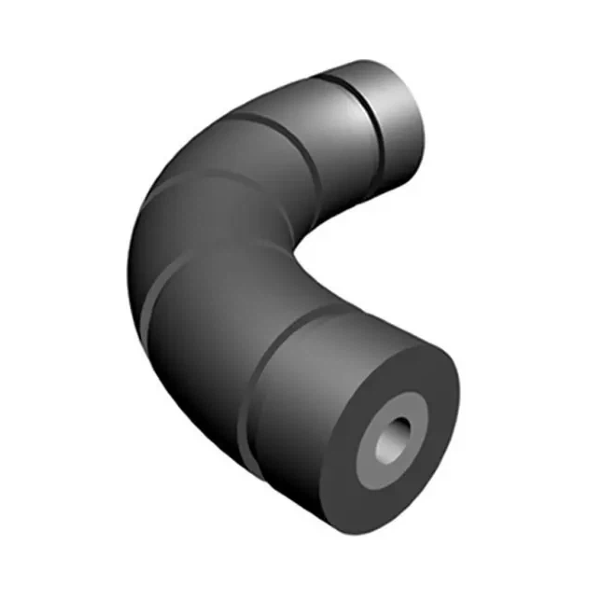
Diameter is one of the most important dimensions because it controls how far the hull stays off the dock. For cylindrical fenders, measure straight across the widest part of the body, not along the curved surface. Measuring along the curve can make the fender seem larger than it really is.
For flat or profile-style products, the equivalent measurement is body width or thickness, depending on the shape. The key idea stays the same: measure the protective body where it actually absorbs contact, not at the rope, fitting, or outer edge that does not contribute to stand-off.
The second important number is overall length or height. For a cylindrical fender, this usually means measuring from one end of the body to the other. Buyers should be careful here, because usable body length and total end-to-end length are not always the same thing. Some products include rope-holding ends or shaped tips that do not provide the same protection as the main body.
For flat or mounted styles, the comparable dimension is usually height. That tells you how much area is covered once the product is installed. A good measurement should reflect the true working body, not just the largest overall outline.
The third dimension is often overlooked. Eyelets, rope-holds, and mounting areas matter because they affect fit, hanging position, and installation. A replacement fender with the right body size can still be inconvenient or ineffective if the rope opening is too small, the hanging point sits differently, or the mounting area does not match the installation space.
This becomes even more important when moving from a portable setup to fixed protection. Dock-mounted systems need not only the right protective body but also enough room for secure installation. Measuring the mounting section in advance helps avoid ordering a product that fits in theory but not in practice.
Fender type | Main measurements | Tool needed | Common measuring error |
Cylindrical | Diameter + overall length | Tape measure | Measuring on a curve |
Round | Diameter or circumference | Tape measure | Mixing diameter and girth |
Flat or profile | Width + height + mounting area | Tape measure + straight edge | Ignoring installation space |
The most common real-world situation is simple: the old fender is worn, and the owner wants to replace it with the same size or a better one. In that case, the process should start with identifying the type, then measuring the body carefully while keeping wear in mind.
First, place the old fender on a flat surface if possible. Measure the body diameter or width at the widest working point. Then measure the overall body length or height. After that, check the eyelet, rope-hold, or mounting area if the replacement needs to match existing rigging or hardware.
The tricky part comes when the old fender is deformed, compressed, or partially worn down. A heavily used fender may no longer show its original shape, so it should not always be copied exactly. If the body is flattened from long-term pressure, take the most realistic measurement of the intended shape rather than the most damaged section. If the old product never performed well, replacement is also a good time to improve the size instead of repeating the same mistake.
Correct measurement does not automatically mean correct protection. A fender can be measured perfectly and still be too small for the boat. That is why the measured size should always be checked against the boat itself.
Boat length gives a practical baseline, while hull height helps show whether the contact area is larger than expected. If the measured fender body seems modest compared with the hull size or the height of the working contact zone, it may be better to step up. This is especially important when replacing an older set on a larger or heavier boat.
Docking conditions should also be reviewed before repeating the same order. A fender that was acceptable in a calm marina may no longer be enough if the boat now berths at a rougher dock, against pilings, or in a slip with more wake and movement.
This is where measuring becomes more useful than a simple reorder. Instead of assuming the old size is still right, the owner can use the measurement as a reference point and ask whether a larger or better-matched product would now make more sense. For many customers, this is the stage where they move from simple replacement to a more dependable upgrade.
One of the most common mistakes is copying an old size without asking whether it actually worked. If the hull kept touching the dock, if the fender compressed too easily, or if wear appeared quickly, then the old size was probably not the right one in the first place.
That is why measuring should be part of a smarter review, not just a routine reorder. The correct approach is straightforward: identify the type, measure carefully, compare the result with the boat and the berth, and then decide whether to replace like-for-like or upgrade. For customers near the buying stage, this is also the right time to speak with the supplier and compare options across portable protection and more fixed applications. Hongruntong supports that decision process with both Marine Fenders and dock protection categories for customers who need a broader solution than a simple replacement.
The best way to measure boat fender size is also the most practical one: identify the type, take the right body measurements, and then match those numbers to the boat and docking conditions before placing an order. That approach reduces ordering errors and helps buyers avoid repeating old sizing problems. If you are replacing worn gear or planning a more reliable upgrade, contact us at Hongruntong for guidance on the right protection setup for your application, from everyday onboard use to more specialized Dock Fenders for fixed contact areas.
Start by identifying the fender type, then measure the main protective body. For cylindrical models, that usually means diameter first and then overall length.
You can, but you should first check whether the old size actually worked well. A worn or flattened fender may not reflect the best size for current docking conditions.
Not always. Some fenders have end sections or rope-hold areas that are included in the overall size but do not provide the same protective body coverage.
Because the right body size still needs to fit the hanging or installation space. This is especially important for profile-style products and dock-mounted protection.


