

Views: 0 Author: Site Editor Publish Time: 2026-04-13 Origin: Site


A good docking day usually feels uneventful. The boat comes in smoothly, lines are secured, and nothing scrapes, bangs, or leaves a mark behind. That quiet result often depends on the right boat bumpers working in the right places. For many owners and marina users, protection only becomes a real concern after the first scuff on the hull or the first hard contact against a dock edge. Hongruntong looks at vessel protection differently. Since 1990, the company has supplied marine products and solutions for customers who need practical, dependable protection in real docking conditions, from routine marina use to more demanding waterfront applications.
Every docking moment creates contact risk, even when the approach is careful. Wind, current, wake, and line tension can all shift the boat at the last second. Boat bumpers are there to absorb impact, reduce scraping, protect the finish, and lower the chance of repair work later.
This sounds simple, but the job is more important than many beginners realize. A bumper is not just a soft barrier. It creates space between the vessel and the structure. That space helps prevent direct contact with hard surfaces such as dock edges, corners, pilings, and posts. Without that protective gap, even light movement can leave visible wear over time.
Boat bumpers also help reduce stress during docking. When the protection setup is right, the boat can settle more safely alongside the berth. That does not remove the need for good handling, but it makes the entire docking process more forgiving. For owners, marina operators, and waterfront facilities, that kind of protection improves both daily use and long-term maintenance.
Hanging boat fenders are the most familiar type for everyday use. They are attached to the boat and positioned where contact is most likely to happen. Their main advantage is flexibility. They can be moved, adjusted, and repositioned depending on the berth, the weather, and the docking angle.
This makes them a practical choice for boats that move between different marinas or do not always berth in the same place. They are especially useful for side docking, temporary mooring, and general recreational use. Because they travel with the boat, they offer immediate protection without requiring changes to the dock itself.
For beginners, hanging fenders are often the easiest starting point because they are simple to understand and widely used. At the same time, their performance still depends on correct size, correct placement, and the right number along the hull.
Dock-mounted bumpers protect fixed contact zones around slips, piers, quay walls, and marina structures. Instead of moving with the boat, they stay attached to the berth and shield the structure where repeated contact happens most often.
This type of protection becomes especially useful when the same area receives pressure again and again. Slip entrances, side edges, and berth corners are common examples. A boat may be using hanging fenders correctly and still touch the same hard surface repeatedly because the dock itself is unprotected. Dock-mounted bumpers solve that problem at the source.
For many marinas and operators, this kind of protection is part of a more complete setup. It supports the boat’s onboard protection and reduces wear on the berth at the same time.
Standard side protection does not always cover the most difficult contact points. Corners, pilings, and posts create narrower and more concentrated impact zones. These areas often need dedicated protection because the contact is less predictable and less evenly spread.
Corner and piling protection is useful where boats turn into slips, drift slightly off line, or settle against fixed points under changing water movement. It helps reduce damage at the places standard side coverage can easily miss. For a broad beginner guide, this is an important distinction. Not all contact happens along a flat dock edge. Some of the highest-risk points are small, hard, and easy to overlook.
The first selection step is always the boat itself. Boat size gives a practical baseline, because longer and heavier vessels create more force during docking. Hull shape matters too. A boat with taller topsides or a wider beam may need more protective coverage than a lower, lighter hull of similar length.
This does not mean every bigger boat needs the biggest possible bumper. It means the protection should match the real hull profile and contact pattern. A small leisure boat in a calm marina usually has different needs from a heavier cruiser or commercial craft in a more active berth.
For beginners, the easiest way to think about it is simple: the larger and heavier the boat, the more important it becomes to use a stronger and better-matched protection setup.
The dock matters just as much as the boat. A smooth floating dock, a rough piling, a concrete wall, and a tight slip entrance all create different contact risks. This is where many people make mistakes. They choose bumpers only by boat size and ignore the structure the boat actually meets every day.
A berth with long, flat side contact may work well with one style of protection. A berth with narrow posts or repeated corner impact may need something completely different. That is why the right choice should always consider both sides of the contact: the vessel and the dock.
Hongruntong’s broader product range is helpful here because some customers only need flexible boat-side protection, while others need a combination of onboard and fixed dock protection for more reliable coverage.
A boat used occasionally in calm conditions does not place the same demand on bumpers as one that docks every day in an active marina. Water movement changes everything. Wake, tide, current, and wind can all increase compression and repeated pressure at the point of contact.
Frequency of use also matters. A light-duty setup may work acceptably for occasional weekend docking, but a busier environment often needs more durable materials and better placement. When docking becomes more frequent or the berth becomes less forgiving, the protection system should usually be reviewed rather than simply reused without adjustment.
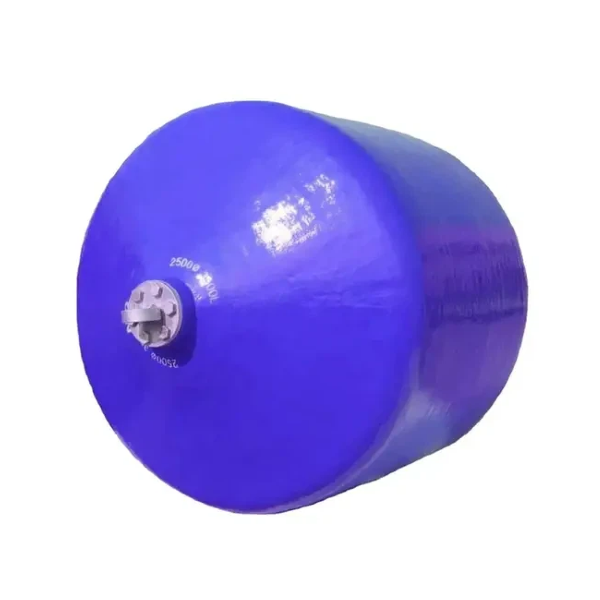
Random placement is one of the most common beginner mistakes. Bumpers should first protect the widest part of the hull, because that is where side contact often happens first and most consistently. Covering the beam area helps create a stable protective line between the vessel and the dock.
If the boat lies alongside the berth, this central contact band often does the most work. Good placement here makes the entire setup more effective, even before extra protection is added elsewhere.
Once the main side contact area is covered, the next step is to look at approach points and awkward angles. Bow and stern sections may touch during entry, exit, or shifting movement in the berth. Corners and narrow fixed points deserve extra attention because they can create concentrated pressure.
This is especially important in tighter slips or where the boat turns in close to a structure. Protection should follow real contact risk, not just symmetry or appearance.
Protection point | Bumper style to discuss | Main purpose |
Beam and side contact | Hanging cylindrical fenders | Absorb everyday side pressure |
Bow or stern contact | Round or utility fenders | Reduce impact at approach points |
Corners and pilings | Dock-mounted corner or profile protection | Protect narrow high-risk zones |
Even good protection needs routine care. Dirt, salt, and surface wear gradually reduce performance, especially when bumpers are used frequently in harsh conditions. Cleaning them regularly helps maintain appearance and makes it easier to spot cracks, flattening, or other early signs of wear.
Inspection matters just as much. A bumper that looks acceptable from a distance may already be losing shape or resilience. If the body is permanently compressed or the mounting area is wearing out, it may no longer provide the stand-off it once did.
Storage also affects service life. When bumpers are not in use, keeping them in a clean and protected place helps preserve their shape and surface condition. Simple maintenance will not solve a sizing problem, but it does help good products last longer and perform more consistently.
A protection setup should not stay unchanged forever. Repeated scuffs on the same part of the hull, busier docks, harsher mooring conditions, or a larger boat are all clear signs that the existing arrangement may no longer be enough. Another signal is when temporary protection is being asked to solve a permanent contact problem at the berth.
At that point, the smartest move is often to think in systems rather than pieces. Hanging fenders may still be right for the boat, but repeated contact points around the berth may need fixed protection as well. This is where customers often move from basic replacement to a more complete review of their docking environment.
Because this article is designed as a broad beginner guide, the most useful takeaway is straightforward: if the same damage risk appears again and again, the setup deserves an upgrade. Hongruntong supports that next step with both onboard solutions and dock-side protection options for customers who want a more dependable long-term arrangement.
Boat bumpers work best as a system, not as isolated pieces hung wherever space is available. The right result comes from matching type, placement, and protection level to the boat and the dock environment together. When owners understand that, docking becomes quieter, safer, and more controlled. If you are comparing protection options for a vessel, berth, marina, or marine project, contact us at Hongruntong to discuss a practical solution. From flexible onboard protection to more engineered Marine Fenders for demanding applications, the goal is always the same: protect the vessel before minor contact turns into avoidable damage.
Boat bumpers absorb impact, reduce scraping, protect the hull finish, and help keep the vessel away from hard dock surfaces during docking and mooring.
Not always. Hanging fenders are very useful for flexible boat-side protection, but fixed contact points such as corners, pilings, and slip entrances may also need dock-mounted protection.
The first priority is usually the beam and the widest part of the hull, because that is where everyday side contact is most likely to happen.
An upgrade is worth considering when scuffs keep appearing, the berth becomes busier, the boat changes, or repeated contact happens at the same fixed points on the dock.


