

Views: 0 Author: Site Editor Publish Time: 2026-02-06 Origin: Site


Have you ever wondered how to protect your vessel from collisions? Choosing the right marine fender can make all the difference.
Marine fenders are essential for ensuring safety in maritime operations. They act as protective barriers, absorbing impacts during docking and mooring. Selecting the wrong fender can lead to costly damages and safety hazards.
In this post, you’ll learn about various types of marine fenders and their unique features. We’ll also introduce HONGRUNTONG, a leading supplier dedicated to providing high-quality marine fender solutions.
When it comes to marine fenders, understanding the different types is crucial for effective protection during docking and mooring. Each type has its unique features, benefits, and ideal applications. Let’s explore these options in detail, focusing on how they can enhance safety and efficiency in maritime operations.
Pneumatic fenders are popular for their air-filled design, which offers excellent energy absorption. This makes them particularly effective during high-impact situations.
● Features and Benefits:
○ Energy Absorption: The air-filled structure absorbs significant impact forces, reducing stress on vessels. This capability is vital during ship-to-ship transfers, where collisions can occur.
○ Typical Applications: Commonly used in offshore mooring, they are versatile for various marine operations. Their flexibility makes them suitable for both commercial and recreational vessels.
○ Maintenance Requirements: These fenders come equipped with heavy-duty valves and reinforced cords to prevent leaks. Regular inspections are recommended to ensure optimal performance, but they generally require minimal upkeep.
Foam-filled fenders are known for their durability and ease of use. Their non-floating design makes them a preferred choice in many settings.
● Characteristics and Advantages:
○ Maintenance-Free: Once installed, they require minimal upkeep, saving time and resources. This feature is particularly beneficial for busy marinas and terminals.
○ Ideal Usage Scenarios: Perfect for marinas, docks, and terminals, they provide consistent protection against impacts. Their closed-cell foam core ensures they remain effective even when subjected to harsh marine conditions.
○ Lifespan and Durability: Expect a lifespan of 12–15 years under ISO marine conditions, making them a long-term investment. Their resistance to UV rays and saltwater ensures they maintain their integrity over time.
Donut fenders are designed for optimal flexibility and protection. Their unique shape allows them to rotate freely around mooring posts.
● Design and Functionality:They provide 360° protection, adapting to tidal changes and wave movements. This design minimizes the risk of damage during docking maneuvers.
● Best Practices for Use:Ideal for docks and piers, they are particularly effective for small boats and pontoons. Proper positioning is essential to maximize their protective capabilities.
● Cost-Effectiveness:Compared to other fender types, donut fenders offer a budget-friendly option without compromising on quality. Their durability and performance make them a smart choice for cost-conscious operators.
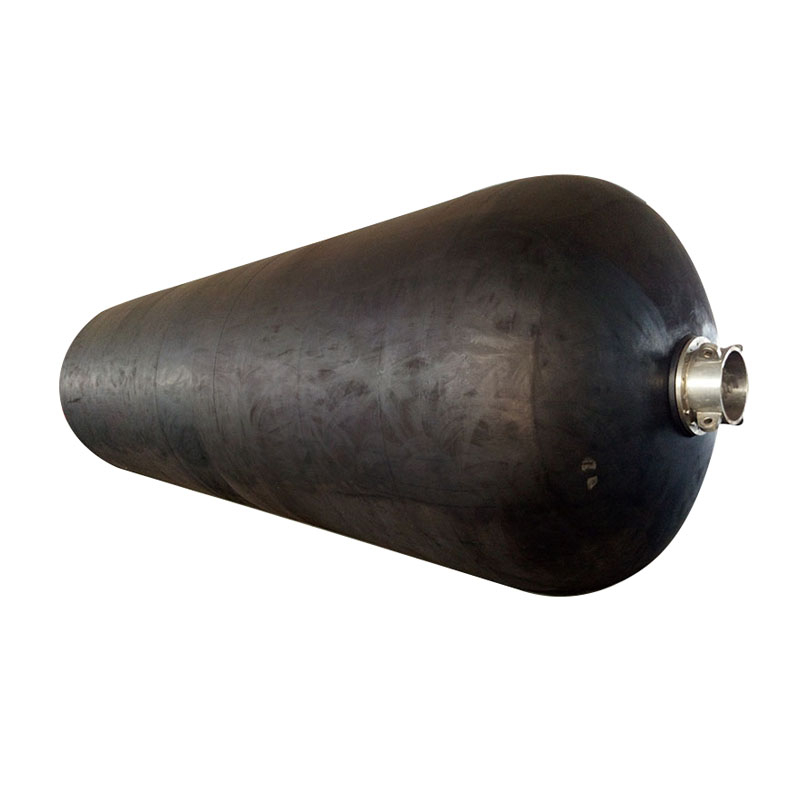
These fenders are engineered for high-load applications, making them suitable for specialized vessels.
● Engineering and Performance Features:Designed to maintain consistent vertical alignment, they perform well in challenging conditions. This stability is crucial for vessels that experience significant environmental forces.
● Specific Applications:Commonly used for submarines and offshore platforms, they are built to handle significant pressures and impacts. Their robust design ensures safety in demanding marine environments.
● Cost Considerations:While they may have a higher initial cost, their long-term value in heavy-duty scenarios is undeniable. Investing in hydro-pneumatic fenders can reduce maintenance costs and extend the lifespan of your marine assets.
Cylindrical fenders are versatile and widely used across various vessel sizes. They are a staple in many marine operations.
● Overview and Common Uses:Suitable for both small and large vessels, they provide reliable protection. Their straightforward design allows for easy installation and adaptability.
● Pros and Cons:While effective, they may have limitations in rough conditions. In high-energy environments, additional measures may be necessary to ensure safety.
● Installation Tips:Proper positioning is essential for maximizing their protective capabilities. Ensure they are securely fastened and positioned at appropriate heights for effective impact absorption.
Specialty fenders cater to unique docking needs, providing tailored solutions for specific scenarios.
● Types of Specialty Fenders:This category includes transom and V-shaped fenders, designed for particular applications. These fenders are engineered to fit specific vessel designs and docking environments.
● Custom Solutions:HONGRUNTONG offers fully customizable fenders to meet diverse requirements, ensuring enhanced protection. Their engineering team can assist in creating solutions tailored to individual client needs.
● Benefits of Using Specialty Fenders:They are engineered to address specific challenges, offering superior performance and safety. This customization ensures that vessels are adequately protected in unique docking situations.
Fender Type | Key Features | Ideal Applications | Lifespan |
Pneumatic Fenders | Air-filled, energy-absorbing | Ship-to-ship transfers, offshore | 10–15 years |
Foam-Filled Fenders | Non-floating, UV resistant | Marinas, docks, terminals | 12–15 years |
Donut Fenders | Rotates 360°, cost-effective | Docks, piers, small boats | 10+ years |
Hydro-Pneumatic Fenders | High-load, vertical alignment | Submarines, specialized vessels | 12+ years |
Cylindrical Fenders | Versatile, durable | Various vessel sizes | 10+ years |
Specialty Fenders | Customizable | Specific docking needs | Varies |
Understanding the types of marine fenders available helps you make informed decisions that enhance safety and efficiency in your maritime operations. Whether you need standard options or specialized solutions, there’s a fender designed to meet your needs.
Choosing the right marine fenders is essential for ensuring the safety and efficiency of your maritime operations. Several key factors influence this decision, from vessel specifications to environmental conditions. Let’s break down these considerations to help you make the best choice.
Understanding your vessel's size and weight is crucial when selecting marine fenders.
● Importance of Energy Absorption Capacity: Larger vessels exert more force during docking. Therefore, fenders must be capable of absorbing this energy effectively to prevent damage.
● Guidelines for Matching Fender Size:
○ Smaller Vessels: Generally require smaller fenders with lower energy absorption.
○ Larger Ships: Need larger fenders that can withstand higher impact forces.
● Expert Tip: Always consider the energy absorption capacity. For larger ships, opt for fenders designed for high-energy impacts to ensure safety.
The type of dock and tidal range plays a significant role in fender selection.
● Differences Between Floating and Fixed Fenders:
○ Floating Fenders: Adapt to changing water levels, making them ideal for fluctuating tides.
○ Fixed Fenders: Best for stable environments where water levels remain constant.
● Recommendations Based on Environmental Conditions:
○ If your dock experiences significant tidal changes, floating fenders are a better choice.
○ For fixed docks, ensure the fenders are positioned to accommodate potential wave action.
Maintenance is essential for prolonging the life of marine fenders.
● Comparison of Maintenance Requirements:
○ Pneumatic Fenders: Require regular inspections to check for leaks and ensure valve integrity.
○ Foam-Filled Fenders: Generally maintenance-free but should be checked for physical damage.
● Tips for Ensuring Longevity and Performance:
○ Schedule routine inspections, especially for pneumatic fenders.
○ Clean fenders regularly to remove salt and debris that can cause wear.
The marine environment can be harsh, impacting fender performance.
● Impact of Saltwater, UV Exposure, and Temperature:Saltwater can corrode materials, while UV rays can degrade rubber compounds over time.
● Material Quality and Resistance Features:
○ Look for fenders made from high-quality materials like neoprene and EPDM, which resist both UV rays and saltwater.
○ HONGRUNTONG utilizes these durable materials to enhance the longevity and performance of their fenders.
Factor | Considerations | Recommendations |
Vessel Size and Weight | Energy absorption capacity is key | Match fender size to vessel weight |
Dock Type and Tidal Range | Floating vs. fixed fenders | Choose based on tidal fluctuations |
Maintenance Needs | Regular inspections are crucial | Schedule routine checks |
Environmental Considerations | Material quality impacts durability | Opt for neoprene or EPDM materials |
By carefully assessing these factors, you can select the right marine fenders that meet your operational needs and ensure the safety of your vessels. This thoughtful approach not only protects your investment but also enhances overall efficiency in your maritime operations.
When selecting marine fenders, performance is a key consideration. Understanding how different types compare in terms of energy absorption, lifespan, and cost can help you make an informed decision. Let’s dive into the specifics.
Energy absorption is critical for protecting vessels during docking. Different fender types excel in various situations.
● Comparison Chart of Energy Absorption:
Here's a quick look at the energy absorption capabilities of common fender types:
Fender Type | Energy Absorption (kN) | Compression Ratio | Ideal Use Case |
Pneumatic Fenders | 50-200 | 1:3 | High-impact scenarios |
Foam-Filled Fenders | 30-100 | 1:2 | Marinas and docks |
Donut Fenders | 20-80 | 1:2 | Small boats and pontoons |
Hydro-Pneumatic Fenders | 100-300 | 1:4 | Heavy-duty applications |
Cylindrical Fenders | 30-90 | 1:2.5 | Versatile use across vessels |
● Explanation of Compression Ratios:The compression ratio indicates how much a fender can compress under load. A higher ratio means better energy absorption, which is crucial for larger vessels or high-impact situations.
Durability is another important factor when choosing marine fenders.
● Expected Lifespan of Various Fender Types:
○ Pneumatic Fenders: Typically last 10-15 years.
○ Foam-Filled Fenders: Expected to endure for 12-15 years.
○ Donut Fenders: Generally have a lifespan of 10+ years.
○ Hydro-Pneumatic Fenders: Can last 12 years or more, depending on usage.
○ Cylindrical Fenders: Usually last around 10 years.
● Verification Under ISO Marine Conditions:
○ Many fenders are tested under ISO standards, ensuring they meet specific performance criteria. This testing is vital for confirming durability and reliability in real-world conditions.
● Factors Affecting Durability:
○ Environmental factors such as UV exposure, saltwater corrosion, and temperature fluctuations can significantly impact fender lifespan. Choosing high-quality materials, like those used by HONGRUNTONG, can enhance durability.
Cost is always a consideration when selecting marine fenders.
● Overview of Cost Differences Between Fender Types:
○ Pneumatic Fenders: Higher initial investment but excellent performance.
○ Foam-Filled Fenders: Moderate cost, with low maintenance needs.
○ Donut Fenders: Generally affordable, ideal for small vessels.
○ Hydro-Pneumatic Fenders: Higher upfront cost, justified by long-term durability.
○ Cylindrical Fenders: Cost-effective for various applications.
● Long-Term Value Versus Initial Investment:
○ While some fenders may have a higher upfront cost, their longevity and performance can lead to savings over time. It’s essential to consider the total cost of ownership, including maintenance and replacement costs.
● Consideration of Total Cost of Ownership:
○ Maintenance requirements vary by fender type, impacting overall costs. For instance, pneumatic fenders require regular checks, while foam-filled fenders are virtually maintenance-free. Understanding these factors can help you choose the best option for your budget.
Fender Type | Initial Cost Range | Maintenance Needs | Long-Term Value |
Pneumatic Fenders | High | Regular inspections | High |
Foam-Filled Fenders | Moderate | Minimal | High |
Donut Fenders | Low | Low | Moderate |
Hydro-Pneumatic Fenders | High | Regular checks | Very High |
Cylindrical Fenders | Moderate | Low | Moderate |
By comparing these performance metrics, you can better understand which marine fenders will best meet your operational needs and budget constraints. This knowledge empowers you to make a choice that enhances safety and efficiency in your maritime activities.

When it comes to marine fenders, several common concerns often arise. Addressing these issues can enhance your understanding and ensure you make the best choice for your maritime needs. Let’s tackle these concerns head-on.
Many people worry about the integrity of pneumatic fenders, fearing they might deflate or develop leaks.
● Common Misconceptions and Realities:
○ It's a common belief that pneumatic fenders are prone to frequent deflation. In reality, when properly maintained, they are quite reliable.
○ Leaks can occur, but they are often due to improper handling or installation rather than inherent design flaws.
● Solutions for Ensuring Fender Integrity:
○ Regular inspections are key. Check for signs of wear or damage, especially around the valves.
○ Ensure proper inflation levels are maintained according to manufacturer guidelines.
● HONGRUNTONG’s Design Features to Prevent Leaks:
○ HONGRUNTONG incorporates heavy-duty valves and reinforced seams in their fenders, significantly reducing the risk of leaks. Their fenders are designed for durability, ensuring peace of mind during use.
Installation is crucial for maximizing the effectiveness of marine fenders.
● Step-by-Step Installation Guide:
○ Select the Right Location: Identify the optimal position for the fender based on vessel size and dock type.
○ Prepare the Mounting Surface: Ensure the surface is clean and free of debris.
○ Attach the Fender: Use appropriate mounting hardware to secure the fender in place, ensuring it can handle expected impacts.
● Tools and Kits Needed for Installation:
○ Basic tools include wrenches, screws, and mounting brackets.
○ Depending on the fender type, additional tools may be required for specific installations.
● Full Installation Kits Provided by HONGRUNTONG:
○ HONGRUNTONG offers comprehensive installation kits that include everything you need for a successful setup. These kits simplify the process and ensure you have all necessary components.
Sometimes, standard fender sizes just won’t cut it. Custom solutions are available.
● Process for Ordering Custom Fenders:
○ Start by contacting HONGRUNTONG to discuss your specific requirements. Provide details on dimensions and intended use.
○ Their team will guide you through the customization process, ensuring you get exactly what you need.
● Importance of Accurate Specifications:
○ Precise measurements are crucial. Incorrect specifications can lead to ineffective protection and increased costs.
● HONGRUNTONG’s Support in Providing Tailored Solutions:
○ HONGRUNTONG’s experienced team is dedicated to helping you find the right solution. They work closely with clients to ensure all custom fenders meet operational needs.
Marine environments can be harsh, and fenders must withstand these conditions.
● Materials That Resist Corrosion and UV Damage:
○ Look for fenders made from high-quality materials like neoprene and EPDM. These materials offer excellent resistance to saltwater and UV exposure.
● Tips for Extending Fender Life in Harsh Conditions:
○ Regular cleaning can help remove salt and debris that may cause wear.
○ Store fenders in a cool, dry place when not in use to prevent unnecessary degradation.
● HONGRUNTONG’s Commitment to High-Quality Materials:
○ HONGRUNTONG prioritizes quality in their fender production, using materials designed to withstand the rigors of marine environments. This commitment ensures longevity and performance.
Concern | Common Issues | HONGRUNTONG Solutions |
Pneumatic Fenders | Risk of deflation or leaks | Heavy-duty valves, reinforced seams |
Installation | Improper setup | Comprehensive installation kits |
Custom Dimensions | Incorrect specifications | Tailored solutions and support |
Longevity in Saltwater | Corrosion and UV damage | High-quality materials |
By addressing these common concerns, you can enhance your understanding of marine fenders and make informed decisions that optimize performance and safety in your maritime operations.
Selecting the right marine fender is crucial for safety and efficiency.
Key points include understanding energy absorption, lifespan, and installation needs.
Choosing the appropriate fender protects your vessel from damage.
Consulting experts, like HONGRUNTONG’s engineering team, can provide valuable insights.
Take the time to assess your specific needs and make an informed choice.
A: The best type depends on your boat's size and usage. Pneumatic fenders are great for larger vessels, while foam-filled fenders suit smaller boats.
A: Match the fender size to your vessel's weight and docking conditions. Larger boats require bigger fenders for better energy absorption.
A: Common materials include neoprene, EPDM, and foam, which provide durability and resistance to UV and saltwater.
A: Inspect fenders regularly, especially pneumatic types, for leaks or damage to ensure they function properly.
A: Yes, combining different fender types can enhance protection, provided they are suited for your specific docking needs.


