

Views: 0 Author: Site Editor Publish Time: 2026-08-21 Origin: Site


Unplanned downtime during vessel-to-vessel (STS) or vessel-to-quay (STQ) berthing operations carries severe financial and safety consequences. Marine operators face a high-stakes reality every day on the water. You rely on heavy-duty equipment to absorb massive kinetic energy during ship transfers. However, continuous exposure to harsh marine environments accelerates material degradation. Saltwater, ultraviolet radiation, cyclic impact loads, and chemical spills constantly attack your equipment.
High-performance Pneumatic Fenders are designed for extreme energy absorption. Yet, mechanical wear is inevitable without proper intervention. Transitioning from reactive repairs to a rigorous inspection protocol is essential. A standardized maintenance routine is the only reliable method to protect asset investments. It ensures regulatory compliance and guarantees operational continuity across your marine fleet.
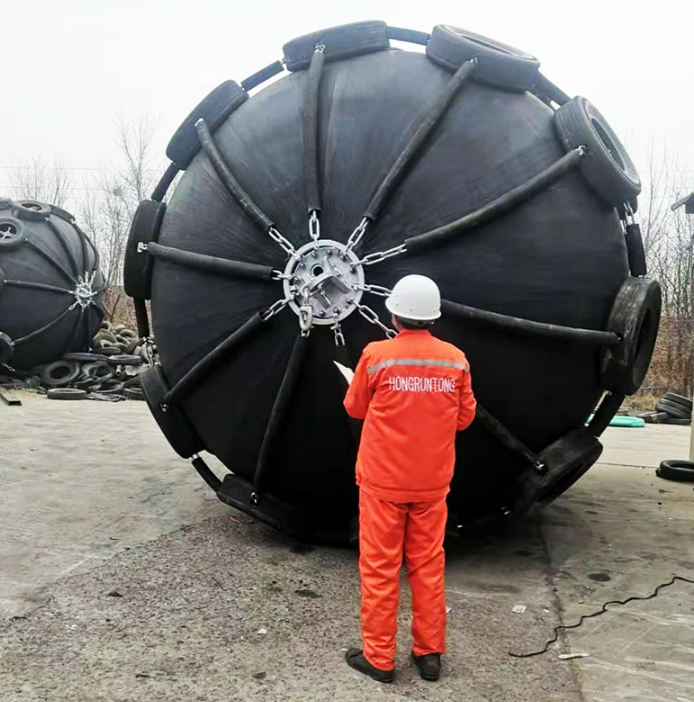
Standardized Yet Adaptable Intervals: Implementing a tiered inspection schedule—daily visual checks, 3-to-6-month comprehensive reviews, and 12-to-24-month deep diagnostics—drastically reduces the risk of catastrophic failure. These intervals must be scaled up in high-use or harsh environments.
Pressure Management is Critical: Maintaining optimal internal pressure (typically around 50kPa or 80kPa depending on the ISO 17357 rating) is non-negotiable for preserving energy absorption capacity and preventing structural blowout.
Accessory Degradation: The Chain and Tire Net (CTN), air inflation valves, and safety valves often fail before the rubber body; prioritizing these components prevents localized damage to the main fender.
Compliance and Safety: Aligning maintenance routines with ISO 17357 and PIANC guidelines ensures liability protection and operational safety during high-energy berthing.
Table of Contents
Defining success for marine fender deployment requires clear operational metrics. You want consistent energy absorption during every berthing event. You demand zero hull damage to approaching vessels. You also expect maximum lifecycle return on your equipment investments. Achieving these success criteria requires understanding how and why degradation occurs in marine environments.
Marine environments introduce several common failure modes. Ozone and UV radiation cause surface cracking on the outer rubber layer. This micro-cracking weakens the protective barrier, allowing saltwater to penetrate deeper into the material. Abrasive wear from hull friction slowly grinds down the rubber matrix. Punctures from floating debris or sharp quay wall protrusions pose immediate threats. Internal pressure loss often stems from undetected valve failures. Each of these factors compromises the structural integrity of the unit.
Failure Mode | Primary Cause | Operational Impact | Early Warning Sign |
|---|---|---|---|
Ozone/UV Cracking | Prolonged sun exposure | Weakens outer rubber, leading to deeper tears | Spiderweb micro-cracks on the top surface |
Abrasive Wear | Hull friction during tidal shifts | Reduces wall thickness, lowering burst pressure | Smooth, worn patches lacking original texture |
Puncture Damage | Floating debris or sharp quay edges | Immediate deflation and loss of energy absorption | Visible gouges exposing synthetic tire cords |
Valve Leakage | Salt crystallization or worn seals | Gradual pressure drop, bottoming out during impact | Hissing sounds or bubbles during soapy water test |
The financial implications of unplanned downtime are severe. Preventative maintenance requires minimal budgetary outlay. Replacing a worn shackle, a leaking air valve, or a stuck safety valve takes little time and basic hand tools. Contrast this with the exponential costs of emergency replacements. A catastrophic blowout during an STS transfer can damage vessel hulls. It can also cause massive port operational delays, leading to demurrage charges. Routine maintenance acts as an insurance policy against these high-impact events.
Operators must shift their mindset regarding asset management. You cannot install marine equipment and forget about it. The dynamic nature of ocean waves and tidal shifts exerts constant stress. Proactive maintenance identifies micro-failures before they escalate. This approach keeps your operations running smoothly and safely, ensuring vessels berth without incident.
Proper maintenance begins the moment new equipment arrives on site. Pre-deployment visual and pressure checks establish your operational baseline. Inspect the entire rubber body for any transit damage. Verify the initial internal pressure against manufacturer specifications. Use a calibrated pressure gauge for this initial reading. Record this data immediately to track future pressure retention.
Evaluate the unit as part of the broader mooring system. Do not treat it as an isolated component. Check the quay wall interfaces for sharp edges or abrasive surfaces. Assess the mooring line angles to ensure even load distribution. Improper installation angles cause uneven wear and premature fatigue. System-level assessments prevent localized damage during the first few weeks of operation.
Unpack the unit carefully, avoiding the use of sharp hooks or unpadded wire slings near the rubber body.
Conduct a full 360-degree visual inspection of the outer rubber layer, looking for deep scratches or gouges sustained during transit.
Attach a calibrated pressure gauge to the inflation valve and verify the internal pressure matches the 50kPa or 80kPa rating.
Inspect the Chain and Tire Net (CTN) to ensure all shackles are hand-tightened and secured with stainless steel seizing wire.
Verify that the towing rings and metal flanges show no signs of bending or thread damage.
Verifying the Chain and Tire Net (CTN) integrity is a mandatory commissioning step. The CTN absorbs the brunt of sheer forces during berthing. Ensure all shackles, swivels, and wire ropes are properly tensioned. Apply marine-grade lubrication to all moving metal parts prior to first use. Check that the protective tires sit correctly against the rubber body. Misaligned tires can gouge the outer rubber layer under heavy compression.
Documentation and tagging form the foundation of your audit trail. Log the specific serial numbers of each unit. Record the initial pressure readings, ambient temperature, and installation dates. Attach durable identification tags to the towing rings. This establishes a reliable baseline for all future audits. Accurate records allow you to track the exact lifespan of individual components and schedule replacements accurately.
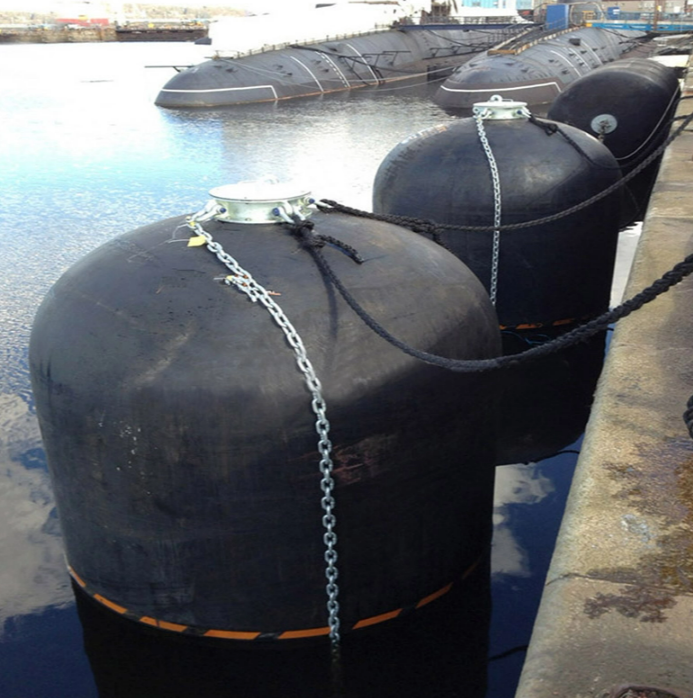
A tiered inspection schedule prevents minor wear from becoming a critical failure. Daily and post-berthing visual checks are your first line of defense. Train your deck crew to identify immediate red flags. Look for obvious surface abrasions or deep cuts. Any cut exposing the inner synthetic-tire-cord layers requires immediate attention. Watch for visible deformation or sagging, which indicates sudden pressure loss.
These daily checks become mandatory immediately following abnormal berthing events. High-impact collisions or severe weather conditions stress the system beyond normal parameters. Inspect the towing rings for distortion. Check the mooring lines for sudden elongation or fraying. Quick visual sweeps catch acute damage before the next vessel approaches.
The 3-to-6 month comprehensive review requires dedicated downtime. Use calibrated gauges to verify internal pressure accurately. Adjust this frequency based on your specific operational environment. High-use areas or heavy STS lightering zones require a strict 3-month schedule. Challenging environments with extreme temperature fluctuations also demand more frequent checks.
Inspection Type | Frequency | Key Actions | Personnel Required |
|---|---|---|---|
Visual Sweep | Daily / Post-Berthing | Check for sagging, deep cuts, and torn CTN tires. | Deck Crew |
Comprehensive Review | 3 to 6 Months | Measure internal pressure, inspect flanges, check shackle wear. | Maintenance Technician |
Deep Diagnostic | 12 Months | Measure chain elongation, ultrasonic thickness test on rubber. | Marine Engineer |
Safety Valve Audit | 24 Months | Remove, bench-test, and recalibrate safety relief valves. | Certified OEM Specialist |
During this comprehensive review, inspect the outer rubber layer closely. Look for signs of micro-cracking caused by UV exposure. Assess the towing rings and metal flanges for early signs of rust. Check the tightness of all bolts around the flange area. Re-torque any loose bolts to the manufacturer's specified settings using a calibrated torque wrench.
Annual and biennial deep diagnostics ensure long-term structural integrity. Perform a complete structural audit every 12 months. Focus heavily on the CTN system during this annual check. Look for rust penetration on the chains. Measure the links for signs of elongation, which indicates metal fatigue. Assess the wear on the protective tires and replace them if the tread is gone.
The 24-month requirement focuses on critical safety components. Remove, test, and service the safety valves every two years. These valves must release at the correct overpressure thresholds. A seized safety valve turns a compressed unit into a severe hazard. Bench-test these valves in a controlled environment before reinstalling them.
Managing internal air pressure dictates the energy absorption capabilities of your equipment. Follow a step-by-step framework for inflating or deflating units. Always use the specified inflation tools provided by the manufacturer. Connect the air hose securely to the inflation valve. Inflate slowly to avoid sudden pressure spikes. Monitor the gauge continuously until you reach the optimal operational pressure.
Valve integrity requires strict attention. Introduce the standard soapy water leak test for all air inflation valves. Mix a simple solution of water and dish soap. Apply this solution generously over the valve assembly after inflation. Watch closely for expanding bubbles. This simple test catches micro-leaks early, preventing slow deflation over time.
Remove the protective valve cap and clear any visible salt or debris from the valve stem.
Attach the calibrated pressure gauge to get a baseline reading before adding air.
Connect the compressor hose and inflate in short bursts, checking the gauge frequently.
Once target pressure is reached, disconnect the hose and apply the soapy water solution over the valve core.
If bubbles form, tighten the valve core using a specialized core tool. If bubbling persists, replace the core entirely.
Wipe the valve assembly dry and securely reinstall the protective metal cap.
Ambient temperature fluctuations directly impact internal pressure. Air expands in extreme heat and contracts in freezing conditions. Adjust your pressure readings according to the current ambient temperature. Deflate slightly during peak summer months to prevent over-pressurization. Add air during winter months to maintain the necessary energy absorption capacity.
Chain and Tire Net (CTN) upkeep prevents localized damage to the main body. Implement strict anti-corrosion strategies for all chains and hardware. Conduct regular galvanization checks on the shackles and swivels. Apply marine-grade lubrication to prevent rust accumulation. Saltwater accelerates corrosion rapidly on untreated metal surfaces.
Establish clear criteria for rotating or replacing protective tires. Tires wear unevenly depending on the primary point of impact. Rotate the tires within the net to distribute wear evenly. Replace tires completely when the internal wire mesh becomes visible. Worn tires lose their protective qualities and can actually damage the rubber body by scraping against it during compression.
Safety valve calibration requires precise technical execution. Understand the mechanics of the safety valve system. Salt crystallization frequently impedes the internal spring mechanism. Remove the valve and soak it in a specialized descaling solution. Clean all internal components thoroughly. Recalibrate the release threshold using specialized testing equipment to maintain safety standards.
Surface repair of the rubber outer layer extends the operational lifespan significantly. Address minor gouges and cuts immediately. Clean the damaged area with a suitable marine solvent. Use marine-grade rubber repair compounds for shallow abrasions. For deeper cuts, employ cold vulcanization techniques. You must seal the breach before moisture reaches the synthetic-tire-cord layer. Moisture ingress causes internal delamination and catastrophic failure.

Equipment spends significant time out of service between deployments. Long-term storage protocols dictate how well the unit performs upon redeployment. Never store units at full operational pressure. Deflate them to a safe standby pressure, typically around 10kPa to 20kPa. This reduces constant stress on the internal cord layers while maintaining the basic cylindrical shape.
Choose your storage location carefully. Store equipment in a cool, dry place whenever possible. Keep them away from direct UV exposure, which accelerates rubber degradation. If outdoor storage is unavoidable, cover the units with heavy-duty tarpaulins. Ensure adequate ventilation under the covers to prevent condensation buildup. Place the units on wooden pallets to keep them off the ground, preventing them from freezing to concrete surfaces during winter.
Avoid chemical and environmental damage during storage. Keep units far away from solvents, industrial oils, and petroleum products. These chemicals rapidly degrade marine rubber compounds. Maintain a safe distance from extreme heat sources or welding operations. Stray sparks can cause severe localized damage to the outer rubber layer.
Handling practices during transport also matter. Never drag the units across concrete or abrasive surfaces. Always use proper lifting straps and cranes. Lift from the designated towing rings only. Improper handling during the storage phase often causes more damage than actual marine operations. Ensure your forklift operators understand the fragility of the outer rubber layer when moving deflated units.
Fleet managers constantly face the decision to repair or replace aging equipment. This requires a conceptual trade-off framework. You must determine when a unit is economically viable to repair. You must also recognize when it poses an unacceptable safety liability. Extending the life of a compromised unit risks catastrophic failure during critical STS operations.
Define strict threshold criteria for patching versus scrapping. Minor surface cuts less than a few millimeters deep are easily patched. Abrasions that do not expose the reinforcing cords are manageable. However, once the synthetic-tire-cord layer is exposed or severed, the structural integrity is gone. Deep cuts penetrating multiple cord layers dictate immediate scrapping.
Damage Type | Severity Level | Recommended Action |
|---|---|---|
Surface scratches (<3mm deep) | Low | Clean and monitor. Apply liquid rubber sealant if desired. |
Gouges exposing inner black rubber | Medium | Perform cold vulcanization patch repair immediately. |
Cuts exposing synthetic tire cords | High | Remove from service. Evaluate for factory refurbishment. |
Severed tire cords or permanent deformation | Critical | Scrap and replace unit. Do not attempt field repair. |
Flange separation from rubber body | Critical | Scrap and replace unit. Pressure integrity is permanently lost. |
Permanent deformation is another critical indicator. If a unit fails to return to its original cylindrical shape after deflation, internal fatigue has occurred. Unrepairable flange damage also forces a replacement decision. If the metal flange separates from the rubber body, no surface patch can restore its pressure-holding capability.
Assessing structural integrity goes beyond the outer rubber layer. You must evaluate the inner rubber layer and the cord layers. Severe internal fatigue cannot be fixed with surface patches. Use ultrasonic testing or specialized diagnostic tools if available. When in doubt, prioritize operational safety over minor budget savings. A failed unit during a high-energy berthing event costs exponentially more than a new replacement.
Avoiding common maintenance pitfalls requires strict adherence to operating procedures. Over-inflation is a frequent and dangerous mistake. It reduces the energy absorption capacity of the unit. It also increases the reaction force exerted against the vessel hull. This defeats the primary purpose of using pneumatic systems, transferring the kinetic energy directly into the ship's steel plating rather than absorbing it.
Under-inflation carries equally severe risks. An under-inflated unit bottoms out easily during compression. This causes the inner walls to crush against each other. It leads to rapid cord fatigue and internal tearing. Maintain the exact pressure specified for your specific operational environment. Check your gauges frequently to ensure they read accurately.
Warn your procurement team against using non-standard replacement parts. Never substitute commercial truck tires for the specified aircraft or heavy-duty tires in the CTN. Standard truck tires lack the structural rigidity required for marine compression. Always source OEM-certified valves and heavy-duty shackles. Cheap hardware fails quickly under marine sheer forces, leading to the entire net collapsing during a berthing maneuver.
Aligning your maintenance routines with industry standards is mandatory. Adhere strictly to ISO 17357-1:2014 standards for high-pressure floating pneumatic rubber fenders. This standard dictates testing, material requirements, and performance metrics. Documenting your compliance with these standards is essential. It mitigates legal and insurance liabilities in the event of a berthing incident.
Maintain a comprehensive logbook for every unit in your fleet. Record every pressure check, valve replacement, and surface repair. Insurance adjusters will demand these records following any marine accident. A documented history of proactive maintenance proves your commitment to operational safety. It protects your organization from claims of negligence and ensures your fleet remains compliant with international maritime regulations.
Download and implement a standardized daily and monthly inspection checklist for your deck crews to ensure consistent monitoring.
Conduct an immediate audit of your current fender inventory to establish baseline pressure and wear metrics across the fleet.
Procure calibrated pressure gauges and OEM-certified safety valves to replace aging components before they fail.
Schedule a comprehensive 12-month deep diagnostic for all units currently deployed in harsh environments.
Establish a dedicated, dry storage area with wooden pallets and UV-blocking tarpaulins for all out-of-service equipment.
For operators looking to strengthen their marine berthing systems with dependable fender solutions, Hongruntong Marine provides professional marine fender products and solutions designed to support demanding port, terminal, and vessel operations. With a focus on product reliability, marine application requirements, and long-term operational performance, the company helps customers build safer and more efficient berthing protection systems.
A: Recommend 3-to-6-month intervals for standard operations. Scale this up to every 3 months for high-use or harsh environments. Always check the pressure immediately after severe weather or abnormal berthing events. Remember to adjust your readings for significant ambient temperature changes.
A: The common initial internal pressures are 50kPa (0.5 kgf/cm²) and 80kPa (0.8 kgf/cm²). These specifications are defined by the ISO 17357 standard. Always refer to your specific unit's documentation to ensure you maintain the correct pressure rating.
A: Look for clear visual indicators of fatigue. Severe rust penetration on the chains requires immediate attention. Elongation of the chain links indicates metal stretching. Worn-through protective tires or damaged, bent shackles also signal that the CTN requires a full replacement.
A: Minor surface cuts can be successfully patched using marine-grade compounds. However, cuts penetrating the synthetic-tire-cord layer severely compromise structural integrity. These deep breaches cannot be safely repaired and usually require the complete replacement of the unit.
A: Internal air expands in high heat and contracts in cold weather. This causes pressure readings to fluctuate throughout the year. You must monitor these changes and manually adjust the air volume to keep the unit within its optimal operational pressure range.
A: Deflate the units to a safe standby pressure (10kPa to 20kPa). Store them in a cool, dry location away from direct UV exposure. Keep them isolated from industrial solvents, oils, and extreme heat sources to prevent rapid degradation of the rubber compounds.


