

Views: 0 Author: Site Editor Publish Time: 2025-09-19 Origin: Site


Choosing the right fenders for a boat is essential for protecting your vessel. Without the right fenders, your boat is at risk of costly damage from collisions with docks or other boats. In this article, we will explore why boat fenders are so important, how to choose the correct size and type, and offer tips on installation and maintenance. You'll learn how to keep your boat safe and in top condition while enjoying your time on the water.
Fenders for a boat are inflatable or solid cushions designed to protect the boat's hull during docking. They are typically made of durable materials like PVC, EVA foam, or polyethylene. When a boat comes in contact with a dock, piling, or another vessel, fenders absorb the impact, preventing damage to the boat's structure and finish. Without them, the hull can easily be scratched or dented, especially in rough docking conditions.
The main function of a fender is to act as a shock absorber, protecting the boat from impacts. Without a properly selected fender, even minor collisions could lead to significant damage. Whether docking in a marina or tying up next to another boat, using fenders helps reduce the risk of causing harm to your vessel. Moreover, fenders help cushion your boat against harsh environmental factors like tides, wind, and waves, ensuring that it stays in great shape during every docking or rafting situation.
The Basic Types of Boat Fenders
There are several types of fenders available on the market, each suited to different conditions. Some of the most common types include:
● Cylindrical Fenders: These are the most common and versatile type, providing good protection for most boat sizes.
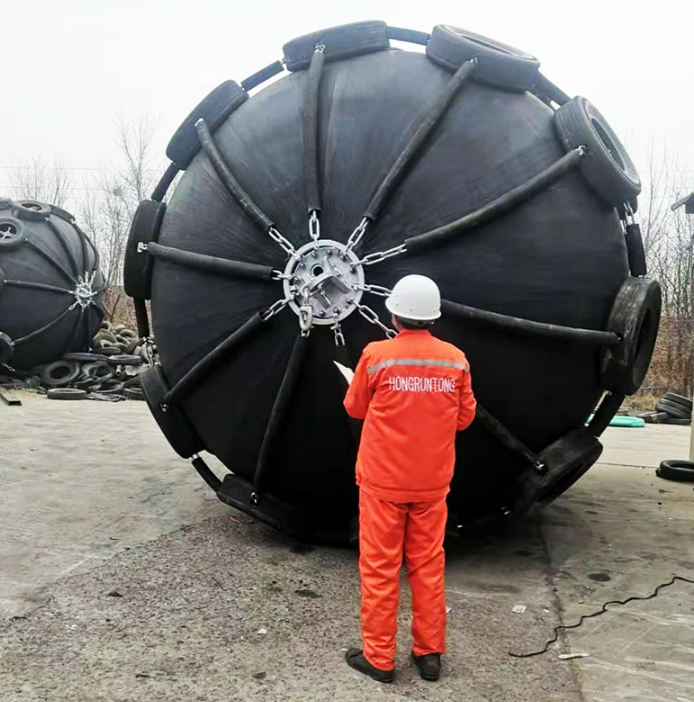
● Spherical Fenders: Ideal for larger boats or commercial vessels, these fenders offer a wider surface area for greater impact absorption.
● Flat Fenders: These are often used in tight spaces where a larger fender may be too bulky.
● Inflatable Fenders: These are flexible and portable, making them ideal for boat owners who need a space-saving solution.
Each fender type has its pros and cons, so it's important to consider your docking environment when choosing the right one for your boat.
Why Fenders Are Essential for Every Boat Owner
Boat owners need to have fenders in place because they are the first line of defense against damage. Whether your boat is docked in a marina or rafted together with others, the right fender provides the necessary protection to prevent damage from impact. A well-maintained fender can save you from costly repairs and ensure your boat remains in top condition, ready for your next adventure on the water.
Choosing the correct size for your boat’s fenders is essential to ensure optimal protection. A good rule of thumb is to select a fender with a diameter that corresponds to the boat’s length. For cylindrical fenders, one inch of diameter for every 4-5 feet of boat length works well. For spherical fenders, the diameter should be around 2 inches per 5 feet of boat length. However, these guidelines can vary based on your boat's weight, the type of docking conditions, and the water you’re navigating.
Boat Length (Feet) | Cylindrical Fender Diameter (Inches) | Round Fender Diameter (Inches) | Suggested Fender Type |
Under 10' | 3" | N/A | Cylindrical, Hybrid |
10' - 15' | 3"-4" | 9" | Cylindrical, Hybrid |
15' - 20' | 5"-5.5" | 12" | Cylindrical, Hybrid |
20' - 25' | 6"-6.5" | 15" | Cylindrical, Round |
25' - 35' | 8"-8.5" | 18" | Cylindrical, Round |
35' - 50' | 10.5"-12" | 21" | Hybrid, Round |
50' - 60' | 12" | 27" | Hybrid, Round |
When selecting the right size, consider the boat's weight and the conditions in which you typically dock. A larger boat will require bigger fenders to absorb the impact and prevent damage. Additionally, docking conditions—such as rough seas or high winds—may require larger fenders to provide sufficient protection. The water type also matters; saltwater can degrade certain materials more quickly, so choose a durable material that can withstand environmental wear.
How Fender Size Impacts Protection
The size of your fender plays a crucial role in the level of protection it provides. A larger fender can absorb a higher impact force, reducing the risk of damaging your boat. Smaller fenders may suffice in calm water or with gentle docking, but larger fenders are essential for boats in rougher environments or for vessels that dock frequently in busy areas.
Tailoring Fender Size to Your Boat Length
As a guideline, consider fender sizes based on the length of your boat. For example, a boat under 10 feet will need a 3-inch cylindrical fender, while boats that are 35 feet or longer should use a 12-inch cylindrical fender. Refer to the chart above for suggested sizes based on different boat lengths.
The number of fenders you need depends on the size of your boat and the docking conditions. A common rule of thumb is to have one fender for every 10 feet of boat length, plus one extra for good measure. For example, a 30-foot boat will require at least 4 fenders. However, the number can vary depending on the type of boat, how frequently you dock, and the docking conditions you encounter.
Fender Placement for Maximum Protection
Strategic placement of your fenders is key to ensuring maximum protection for your boat. You should place one fender near the bow, another near the stern, and at least one or two along the midship area. This way, your boat will be adequately protected from impacts regardless of how it comes into contact with the dock or another boat.
Adjusting Fender Quantity for Specific Conditions
For boats docking in turbulent waters, busy marinas, or areas with high wave activity, you might need extra fenders. In such cases, consider adding more fenders along the boat’s sides, especially around areas where impact is most likely. For boats rafting together or when docking in areas with strong currents, additional fenders are also a good idea.
The type of dock you are using plays a significant role in selecting the right fender. Floating docks, fixed docks, and pilings all have unique requirements for fender placement. For floating docks, place fenders just above the waterline to ensure they are effective during tidal changes. For fixed docks, you may need larger fenders to account for the gap created by changing tides.
Fender Placement for Floating Docks vs Fixed Docks
When docking at a floating dock, the height of the water fluctuates, so fenders should be adjusted accordingly. On fixed docks, however, the fenders should be positioned to prevent your boat from riding up onto the dock when tides rise. Be mindful of water level changes when determining the correct height for your fenders.
Special Fenders for Rafting Boats Together
When rafting boats together, you need specialized fenders that will provide protection where the boats make contact. These fenders should be large and durable to absorb the impact of multiple boats tied together. Larger fenders or fender boards can span the gap between boats and prevent damage during rafting.
Fenders come in different materials, each offering varying levels of durability and protection. The most common materials include:
● PVC Vinyl: Durable and affordable, but it can become scuffed or marked over time.
● EVA Foam: Lightweight and easy to store, but it may degrade faster than PVC.
● Polyethylene: Extremely durable and resistant to UV damage, making it ideal for saltwater environments.
Choose the material based on your boat type, environmental conditions, and budget.
Why Material Matters for Boat Fenders
The material of your fender affects its durability, resistance to UV rays, and ease of storage. PVC vinyl is a great all-rounder, but for boats in saltwater environments, polyethylene may be the better option due to its resistance to corrosion. Consider how often you dock and the environmental conditions when selecting the right material.
Choosing Between Inflatable vs. Solid Foam Fenders
Inflatable fenders are easy to store and adjust, but they may not provide as much protection as solid foam fenders in some cases. Foam-filled fenders, on the other hand, are typically more durable and provide consistent protection, but they can be bulky and harder to store.
Proper installation of your fenders is crucial for effective protection. Make sure the fenders are positioned at the right height—neither too low (where they might drag in the water) nor too high (where they won't make contact with the dock). Use fender whips or ropes to secure them properly.
How to Install Fenders at the Right Height
To install fenders at the correct height, measure the distance from the waterline to the point of contact and adjust the fender accordingly. Use a secure knot to prevent the fender from shifting out of place during docking.
Caring for and Storing Your Fenders
When not in use, store your fenders in a dry, shaded area to prevent UV damage. Make sure to inspect them regularly for signs of wear, such as punctures or fraying ropes. Proper storage extends the life of your fenders and ensures they will be ready for use whenever needed.
Choosing the right size, quantity, and material for your boat fenders is essential for ensuring protection during docking. Always consider factors such as boat length, dock type, and local conditions. Regular installation and maintenance will keep your fenders working effectively.
For reliable and high-quality fenders, Hongruntong Shipbuilding (Beijing) Co., Ltd. offers durable marine fenders designed to safeguard your boat. Their products provide long-lasting protection, ensuring your boat stays in prime condition for every adventure.
A: Fenders for a boat are protective cushions that prevent damage to the hull during docking. They absorb impact when the boat comes in contact with docks, piers, or other boats, ensuring your vessel stays in great condition.
A: When selecting fenders, consider your boat's length, weight, and docking conditions. A general guide is to use one inch of diameter for every 4-5 feet of boat length. For specific boat types, refer to a boat fender selection guide.
A: Place fenders along the boat's midship, near the bow, and stern. Adjust their height to match the waterline to ensure effective protection during docking or rafting.
A: Ensure fenders are securely fastened at the right height—neither too high nor too low. Follow a boat fender installation guide for the proper placement to avoid damage during docking.
A: Regular maintenance ensures that your fenders stay in good condition and offer reliable protection. Inspect them for wear and tear, and clean them regularly to extend their lifespan.


