

Views: 0 Author: Site Editor Publish Time: 2025-12-10 Origin: Site


Boat fenders are essential for protecting your vessel. They prevent damage when docking, mooring, or navigating tight spaces. The common question many boaters have is: How many fenders do you need for your boat?
In this article, we will explore how to determine the right number and size of fenders for your boat. You'll learn how to protect your boat from costly hull damage and ensure its safety on the water.
If you don’t have enough fenders, your boat is at risk of damaging its hull. Insufficient fendering can lead to scratches, dents, or even structural damage, especially when docking in harsh conditions. High winds, tidal changes, or rough waters can push your boat against the dock or other boats, increasing the chances of impact.
When mooring in busy marinas, narrow spaces, or docking with another vessel (rafting), the risk is even higher. More fenders mean greater protection for your boat, giving you peace of mind knowing your hull is safe.
Fenders are designed to absorb impact and prevent direct contact between your boat and the dock, pilings, or other boats. They cushion the blow when your boat shifts due to wind, currents, or maneuvering.
Fenders come in different shapes and materials, such as cylindrical or round (ball) fenders, and each serves a unique purpose. Cylindrical fenders are ideal for long runs along the side of the boat, while round fenders are perfect for corners, locks, and tight docking areas.
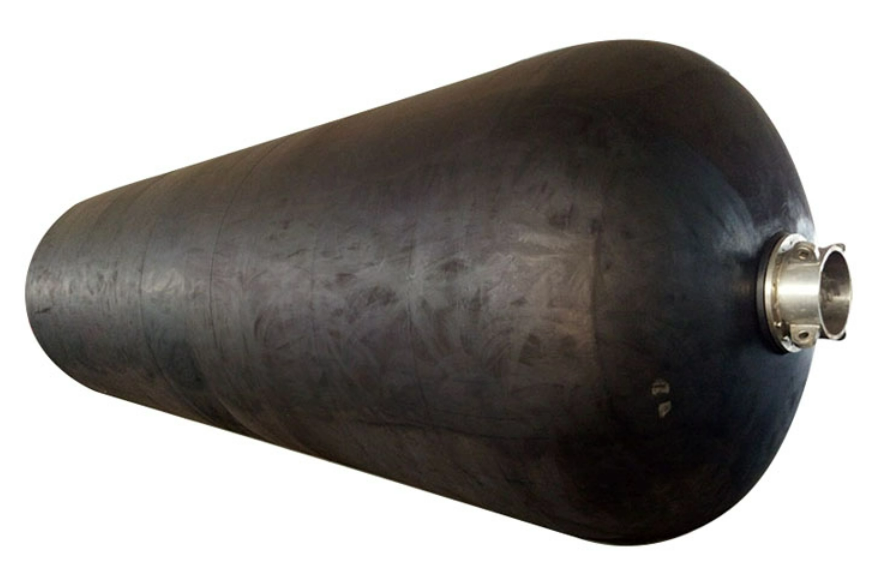
A good rule of thumb is one fender for every 10 feet of boat length. For example, if you have a 30-foot boat, you should have at least three fenders. This baseline is useful for most boat types but may need adjustments based on other factors such as boat weight, beam width, and docking environment.
While the "10 feet" rule provides a basic guideline, it’s important to emphasize that having only one fender per 10 feet may not be enough. The real minimum for safe docking is three fenders per side. This ensures that your boat has adequate protection at the bow, midship, and stern.
For example, a 20-foot boat might only require two fenders according to the rule, but it’s safer to use three, especially in windy or tight marinas.
When choosing the right fender type, you have two primary options: cylindrical and round (ball) fenders.
● Cylindrical fenders are better for long runs along the hull. They are commonly used for larger areas like docks or pontoons where there is consistent contact with the boat’s side.
● Round fenders (ball fenders) work best for corners, locks, and situations where your boat might come into contact with a specific point, such as another boat or a sharp edge of a dock.
Fender Type | Best For | Advantages | Ideal Use Cases |
Cylindrical Fender | Long, continuous contact along the hull | Covers larger areas; offers consistent protection | Docks, pontoons, long stretches of hull protection |
Round (Ball) Fender | Corners, locks, or specific point contact | Flexible positioning; better for localized contact | Bow/stern protection, locks, tight spaces, rafting |
Fender size is generally determined by your boat's length. As a rule, fender diameter should increase as boat length increases to provide enough protection.
Boat Length (ft) | Cylindrical Fender Diameter (inches) | Round Fender Diameter (inches) | Recommended Number of Fenders |
Under 20 ft | 4–5 | 8 | 3 |
20–30 ft | 6–8 | 10–12 | 4 |
30–40 ft | 8–10 | 12–14 | 5 |
40–70 ft | 10–12 | 14–16 | 6–7 |
Note: Sizes may vary based on the boat's weight and the docking conditions.
Boat size—specifically length and width—directly influences the number of fenders needed. Wider boats (beams) and boats with deeper drafts exert more pressure against the dock. These boats may require larger or additional fenders to compensate for the extra contact area.
For example, a 40-foot boat with a wide beam will need more fenders than a narrow 40-foot vessel. The added width means more contact with the dock and a greater risk of hull damage.
The type of mooring and environmental conditions should also be considered when determining the right fender setup. For instance:
● Tidal marinas: Your boat will shift with the tides, so fenders should be placed strategically to accommodate these movements.
● Busy marinas: In these environments, it’s common to dock next to other vessels. Having extra fenders helps prevent collisions from other boats, especially if wind or current causes a shift.
● Rough canals: In environments where you encounter rough walls or tight spaces, you’ll need additional fenders to protect your hull.
Rafting, or docking side-by-side with another boat, often requires additional fenders. You’ll want at least one more fender for each side of your boat, especially if you're docking in tight spaces or expect the other boat to come in contact with yours.
In such cases, it’s recommended to place fenders both at the bow and stern and in the middle of your boat to prevent any unwanted contact.
Larger boats, especially those with heavier weight, need more fenders for protection. The additional weight exerts more pressure on the dock, which can cause fenders to compress more quickly.
For example, a 70-foot yacht may need additional heavy-duty foam fenders to avoid damage. Larger boats also require more space to maneuver, so extra fenders ensure safe docking without risk of hull damage.
Proper fender placement is crucial for protecting your boat from damage. The table below outlines the key areas where fenders should be placed for optimal protection.
Boat Area | Fender Placement Location | Purpose |
Bow | Place a fender at the bow | Protects against impact when entering or exiting a marina |
Midship | Place a fender in the middle of the boat | Shields the sides during docking or rafting |
Stern | Place a fender at the stern | Protects the rear when approaching a dock or another boat |
Ensure that fenders hang at the appropriate height. They should meet the rub strake (the highest point of your boat’s hull) and not hang too low into the water, which could cause them to lose their effectiveness.
In tight marinas or windy conditions, the boat will shift more than usual. To protect against this, consider placing extra fenders at both the bow and stern. Using adjustable clips or ropes allows you to reposition the fenders as needed based on docking conditions.
Fenders need to be inspected regularly to ensure they are in good condition. Over time, fenders can lose air or become damaged from constant contact with docks and boats. Check for any punctures or air leaks, and keep them properly inflated to absorb impacts effectively.
Inflation should not be too firm, as overly inflated fenders can lose their flexibility and may not absorb shock as well.
After each trip, clean your fenders, especially if you’ve been mooring in saltwater. Salt and other debris can cause wear and tear, so rinse them with fresh water to prolong their life.
When not in use, store your fenders in a dry, cool place to avoid prolonged exposure to sunlight or extreme weather. Using fender socks can also help protect the fenders and the boat’s hull from scuffing.
Knowing how many fenders your boat needs is essential for protecting your vessel from costly damage. While the "one fender per 10 feet" rule is a helpful guideline, factors like boat size, mooring conditions, and environmental factors must also be considered for maximum protection.It's always better to have more fenders than fewer. Replacing a fender is cheaper than repairing a hull. Regularly inspect and adjust your fenders based on docking conditions to ensure their continued effectiveness.
At Hongruntong Shipbuilding (Beijing) Co., Ltd., we offer high-quality fenders designed for durability and performance. Our products provide reliable protection, helping to safeguard your boat and keep it in top condition.
A: The general rule is to have at least one fender for every 10 feet of boat length. However, it's recommended to have a minimum of three fenders per side for proper protection.
A: Fenders protect the boat's hull from damage when docking, mooring, or navigating tight spaces. They absorb impacts from docks, pilings, or other boats.
A: Fender size should be based on your boat's length. Typically, for a 20-foot boat, use 4-5 inch cylindrical fenders, and for a 40-foot boat, use 10-12 inch fenders.
A: Position fenders at the bow, midship, and stern. Adjust the height based on the dock type and water conditions to ensure maximum protection.
A: Insufficient fenders can lead to hull damage, especially in windy or tight docking situations. It's safer to have more fenders than fewer.
A: Regularly inspect fenders for damage, keep them properly inflated, and clean them after each trip. Proper maintenance extends their lifespan and ensures effective protection.


