

Views: 0 Author: Site Editor Publish Time: 2026-01-02 Origin: Site


When docking your boat, the last thing you want is damage. Boat dock bumpers are an effective solution to protect your boat and dock from costly repairs. In this guide, we will discuss the different types of dock bumpers and how to choose the right one for your needs. You’ll learn how to confidently select and install the best bumpers to keep your boat safe.
Boat dock bumpers, also known as dock fenders, are shock-absorbing devices attached to the edge of a dock. They act as a buffer, absorbing the force when your boat comes into contact with the dock, preventing scratches, dents, and other damage. The primary function of dock bumpers is to protect both the boat and the dock from the impacts that are often inevitable during docking.
The material of the bumpers helps reduce damage from collisions, as well as the impact of shifting tides or strong currents. Whether you're docking in calm waters or during a storm, boat dock bumpers act as an essential safety feature to prevent damage and ensure smooth docking.
Dock bumpers are not only useful for protecting boats; they also help safeguard the docks themselves. While their primary use is to protect boats from damage during docking, these bumpers can also be used in various other scenarios. For example, they can be attached to loading docks or marina walls to prevent damage from trucks or other vehicles.
For boat owners, dock bumpers come in various sizes and materials to suit different needs. Whether you're docking a small boat or a large yacht, there are bumpers available that can fit your boat's specifications and your dock's design.
Even experienced boaters occasionally misjudge their docking approach, which can lead to costly repairs. A collision with a dock can cause damage to both the boat's hull and the dock itself. Boat dock bumpers are a low-cost yet highly effective solution for preventing these incidents. Investing in bumpers will save you money on repairs and keep your docking process stress-free.
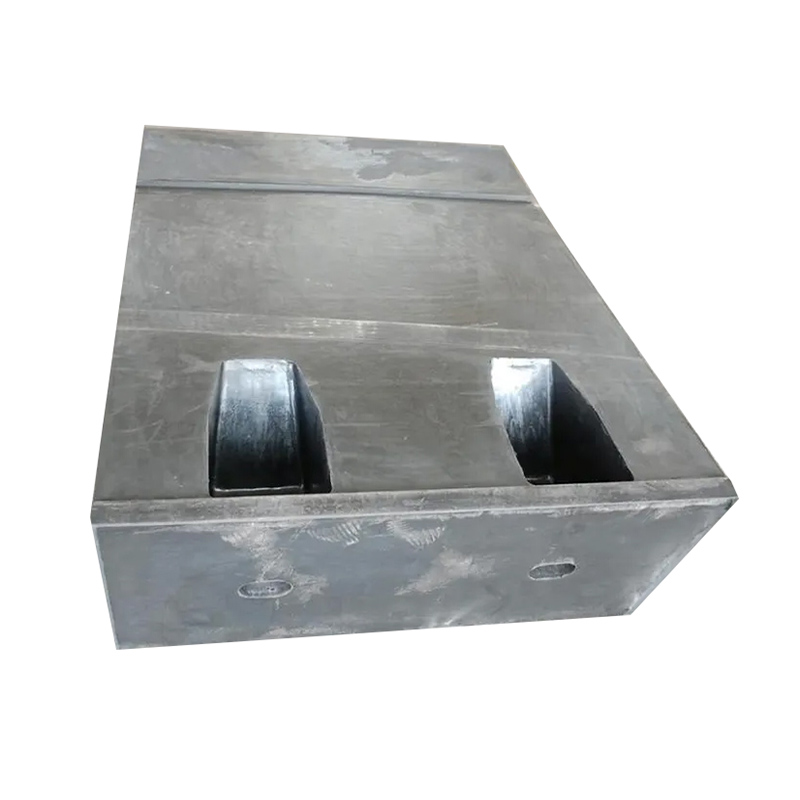
PVC dock bumpers are a popular choice due to their durability. These bumpers can withstand harsh marine conditions, including UV rays, sea salt, and freezing temperatures. Their resistance to environmental factors makes them ideal for long-term use in both freshwater and saltwater environments. PVC bumpers also offer excellent impact resistance, making them a reliable option for heavy-duty protection.
Vinyl bumpers are known for their ability to withstand extreme weather conditions without discoloring or deteriorating over time. These bumpers are highly durable and can last for many years, even in changing climates. Vinyl is particularly effective in environments where exposure to the sun or moisture is a concern. It's a great option for less crowded docks where frequent impact may be a consideration.
Foam bumpers are an affordable option for those who need basic protection for their boats and docks. While foam bumpers may not last as long as PVC or vinyl, they are effective at absorbing shock and protecting against minor collisions. However, foam is prone to wear and tear, and it may discolor or chip over time, making it less ideal for long-term use in high-traffic areas.
Rubber bumpers are often made from recycled materials like rubber tires. They provide excellent shock absorption and are UV resistant, which makes them an affordable option for many boaters. Rubber bumpers are particularly effective for heavy-duty applications but can leave scuff marks on fiberglass boats. If you own a fiberglass boat, you might want to opt for a different material or use rubber bumpers with caution.
Choosing the right boat dock bumper depends on several factors, starting with the size of your boat and the type of dock you have. Larger boats generate more force when docking, which requires a more durable bumper, such as a heavy-duty PVC or rubber bumper. For smaller boats, corner bumpers or foam bumpers may be sufficient.
Additionally, you need to consider the design of your dock. If you have a dock with multiple contact points, such as a slip, it’s essential to install bumpers at key locations where impact is most likely. Take note of the dock’s corners, edges, and pilings, which often experience the most wear.
Once you've assessed your needs, you'll want to decide which type of bumper offers the best protection for your situation. For docks with high-traffic areas or heavy boats, opting for PVC or vinyl bumpers is a smart choice. These bumpers can be installed along the entire length of the dock or on the corners for more protection.
For smaller boats or quieter areas, corner bumpers or foam sidings might be enough. Keep in mind that no matter what type of bumper you choose, placement is key. Be sure to position them where the boat is most likely to come into contact with the dock.
In some cases, your dock and boat may require a custom solution. If your dock has unique features, such as irregular shapes or varying levels of height, you may need to cut or adjust your bumpers to fit perfectly. Many bumper manufacturers offer customizable options, so you can tailor the protection to your boat’s specific needs.
Before installing boat dock bumpers, it’s important to take accurate measurements of your dock’s dimensions and the area where the bumpers will be placed. You should also check the distance between the dock and the water to ensure that your bumpers will not be submerged.
Once you’ve measured the length and width, select the appropriate bumper size. If needed, trim the bumper to fit the exact measurements. Some bumpers may also require drilling holes for attachment, so be sure to use a drill with the correct size bit for the screws you plan to use.
Installing dock bumpers is a relatively simple process that most boat owners can complete themselves. Begin by positioning the bumper along the area you want to protect. Mark the spots where the screws will go, then pre-drill the holes. Once the bumper is properly aligned, attach it using stainless steel screws for durability and corrosion resistance in marine environments.
Tip | Description |
Use Stainless Steel Screws | Stainless steel screws are resistant to rust and corrosion, ensuring durability in marine environments. |
Pre-drill Holes | Pre-drilling holes prevents splitting the bumper material and ensures a secure fit when attaching. |
Use Marine-Grade Adhesive | For extra stability, especially with foam bumpers, marine-grade adhesive can help secure them firmly. |
Measure and Cut Bumpers Accurately | Ensure the bumper fits the area properly by measuring the length of the dock and cutting accordingly. |
Clean the Dock Surface | Clean the area where the bumper will be installed to ensure better adhesion and prevent dirt buildup. |
Check for Alignment | Ensure bumpers are aligned properly along the dock to prevent any gaps or areas where impact is unprotected. |
The lifespan of your dock bumpers depends on the material used. PVC bumpers are the most durable and can last up to a decade with proper care. Vinyl bumpers can last several years, while foam and rubber bumpers may need replacing more frequently, depending on usage and exposure to the elements.
Regularly inspect your bumpers for cracks, dents, or signs of discoloration. If the bumpers show visible damage or no longer provide adequate protection, it’s time to replace them. Check the bumper’s attachment points to ensure they are still secure and that the bumper hasn’t become detached due to wear and tear.
Boat dock bumpers are a small but valuable investment that extends the life of both your boat and dock. By selecting the right bumpers and installing them correctly, you can prevent costly repairs and enhance your docking experience. As a beginner boater, understanding their importance helps you dock with confidence and maintain your boat in excellent condition for years. Hongruntong Shipbuilding (Beijing) Co., Ltd. offers high-quality bumpers designed to provide reliable protection, ensuring long-lasting durability and peace of mind.
A: Boat dock bumpers are designed to protect boats and docks from damage during docking. They absorb the shock of impact, preventing scratches, dents, and other costly repairs.
A: Dock bumpers help prevent damage to both your boat and dock. They’re a small investment that can save you from expensive repairs and make docking easier and safer.
A: When selecting dock bumpers, consider your boat's size, the type of dock, and where the impacts are most likely to occur. Choose bumpers made from durable materials like PVC or vinyl for the best protection.
A: The lifespan of dock bumpers depends on the material. PVC bumpers last up to a decade, while foam and rubber may need replacing sooner, depending on wear and environmental conditions.
A: Yes, installing dock bumpers is a simple process. You’ll need to measure the area, select the right bumper, and secure it with stainless steel screws for durability in marine environments.
A: Foam dock bumpers are affordable and effective for small boats. However, they may have a shorter lifespan than other materials like PVC or vinyl, so they may need replacing more frequently.


