

Views: 0 Author: Site Editor Publish Time: 2025-12-19 Origin: Site


Boating is thrilling, but protecting your vessel from damage is crucial. When docking or mooring, the right protection is essential.
In this article, we’ll discuss the differences between boat fenders, bumpers, and buoys. You’ll learn which one best suits your boat’s needs for maximum safety and damage prevention.
A boat fender is a protective device used to absorb impact when your boat comes into contact with docks, piers, or other boats. Fenders help to reduce the shock of impact and prevent damage like scratches, dents, and hull issues. They are typically made of materials like vinyl or foam, which cushion the collision. Fenders can be placed along various locations of the boat’s hull, protecting vulnerable areas like the bow, stern, and sides.
When choosing fenders for a boat, it’s important to consider the type of fender based on your boat's size and the docking conditions. Below is a summary of the different types of fenders and their characteristics:
Type of Fender | Description | Best For | Key Features |
Cylindrical Fenders | The most common and versatile fender type. | General docking situations | Provides protection in most docking environments. |
Ball-Shaped Fenders | Round fenders used to cover larger surface areas. | Rugged environments like fishing boats | Ideal for protecting large sections of the hull. |
Inflatable Fenders | Lightweight fenders that can be adjusted in size. | Larger vessels or boats with varying sizes | Adjustable, easy to store, and provides flexible protection. |
When selecting fenders for a boat, ensure they cover the most vulnerable areas of your boat, such as the bow, stern, and sides. The size of the fender should match the boat’s length and docking conditions to offer optimal protection.
A boat bumper, or dock bumper, is designed to be fixed to the dock or pier rather than hanging from the boat itself. These bumpers help protect the boat by acting as a barrier between the boat's hull and the docking structure. Bumpers are especially useful in areas where boats frequently dock, as they provide consistent and long-term protection without requiring frequent adjustments. Made from durable materials like rubber or soft polymers, bumpers are often used in marinas or other high-traffic areas.
The main distinction between bumpers and fenders is their placement: fenders are mobile and hang from the boat, while bumpers are stationary and attached to the dock. Bumpers offer permanent protection, reducing the need for regular repositioning, which can be particularly helpful if you dock in the same place often.
A buoy is a floating device used primarily for navigation and marking specific locations in the water, such as mooring points or fishing zones. Some buoys, especially round ones used in the fishing industry, can also serve as fenders. These are often referred to as “buoy fenders” and are effective in protecting boats with slanted hulls. However, it’s important to note that not all buoys are suitable for this purpose. Buoys used for navigation or mooring typically don’t provide the same level of impact protection as traditional fenders.
While buoys can serve as temporary fenders, especially for fishing boats, they are not a substitute for the robust protection provided by proper boat fenders. Only specific types of buoys are designed with fendering capabilities in mind.
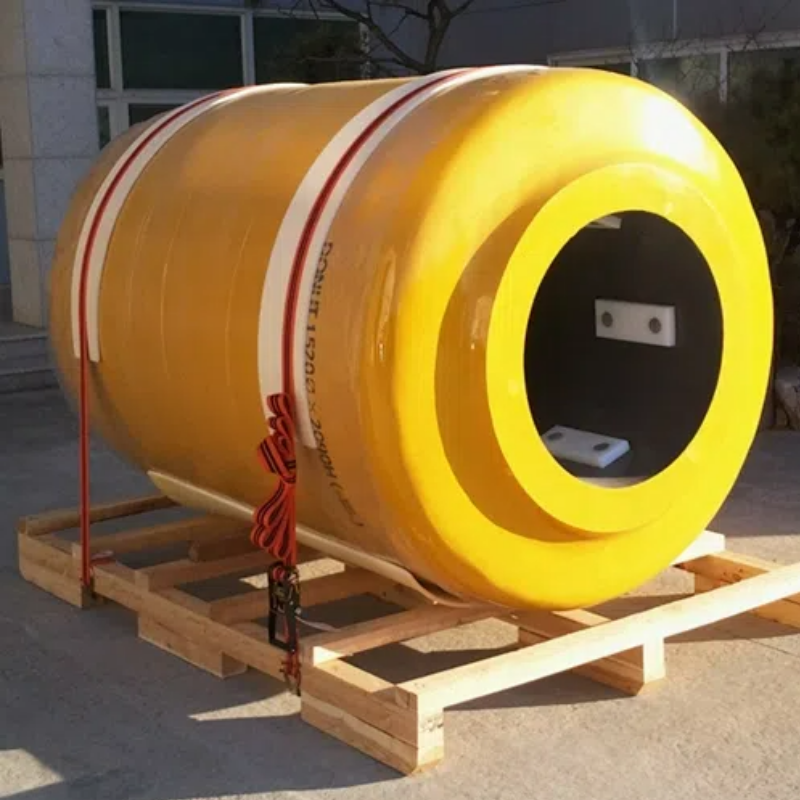
The primary difference between fenders, bumpers, and buoys lies in their placement and design. Below is a breakdown of each type of protection, their positioning, and their role in safeguarding your boat:
Type of Protection | Positioning | Function | Key Notes |
Fenders | Hang from the sides of the boat | Absorb impact when docking or contacting other boats | Mobile; positioned directly on the boat. |
Bumpers | Fixed to the dock or pier | Act as a cushion between the boat and docking structure | Stationary; protect both the boat and dock. |
Buoys | Float in the water, typically used for navigation or mooring | Some are designed to serve as fenders for specific boats | Not primarily for fender use unless specified. |
The design and placement of these tools are crucial in determining how well your boat is protected. Fenders provide direct protection to the boat, bumpers protect both the boat and the dock, while buoys are used more for marking locations but can sometimes function as fenders when necessary.
Fenders, bumpers, and buoys are made from different materials, each affecting their durability and effectiveness in various environments. The table below summarizes the materials used for each type of protection:
Type of Protection | Materials | Purpose | Key Notes |
Fenders | Soft, shock-absorbing materials like foam or vinyl | Distribute impact over a wide area to reduce collision force | Ideal for absorbing impacts in docking situations. |
Bumpers | Durable polymers, rubber, or extruded plastic | Withstand exposure to water and constant impact | Designed for long-term durability in harsh environments. |
Buoys | Buoyant materials like polyethylene | Used for navigation, mooring, and sometimes as fenders | Some buoys are specifically designed with thicker, cushioned exteriors for fender use. |
Each of the three tools—fenders, bumpers, and buoys—offers a different level of protection, serving distinct functions. Here's a breakdown of how each one works:
Type of Protection | Function | Best For | Key Notes |
Fenders | Protect the boat from side impacts, especially during docking or tight maneuvers | Boats that need protection from side impacts | Deployed around the hull to absorb the impact. |
Bumpers | Provide permanent protection for docks and boats, especially in high-traffic areas | Docks and boats in consistent docking locations | Fixed in place, hassle-free, and durable. |
Buoys | Offer larger surface area protection, ideal for angled hulls or when traditional fenders are ineffective | Boats with angled hulls or unique docking conditions | Provide broader protection with less focus on specific areas. |
When selecting a fender for your boat, consider the type and size of your vessel, as well as the docking conditions. For example:
● PWC Fenders: These are small and lightweight, designed to protect personal watercraft from minor impacts.
● Yacht Fenders: Larger and more robust, these fenders are designed to handle bigger impacts, often made from inflatable or foam materials for added protection.
● Inflatable Fenders: These are versatile, easy to store, and perfect for larger boats that require adjustable protection based on their size.
In general, select a fender that covers the most vulnerable areas of your boat. Ensure the fender size matches your boat’s length and weight to provide adequate protection, especially in areas where there may be frequent docking or contact with other boats.
Bumpers are an excellent solution for providing consistent protection to docks or piers. If you dock in the same place regularly, investing in high-quality bumpers for your dock can reduce wear and tear, keeping both the dock and your boat safe from potential damage.
For high-traffic areas like marinas, consider heavy-duty bumpers that can withstand frequent boat movements and impacts. Inflatable bumpers are ideal for more flexible docking environments and can be adjusted based on the size of the boat.
While buoys are primarily used for marking locations or mooring, some types, especially larger round buoys, are effective as fenders for certain boats. Buoys can be particularly useful for:
● Fishing Boats: Their round shape provides ample protection for slanted hulls, which traditional fenders might not cover effectively.
● Temporary Protection: Buoys can be deployed as temporary fenders when other options aren’t available.
However, only use buoys as fenders if they are specifically designed for that purpose. Other types of buoys, used for navigation or mooring, do not provide adequate protection for boat impacts.
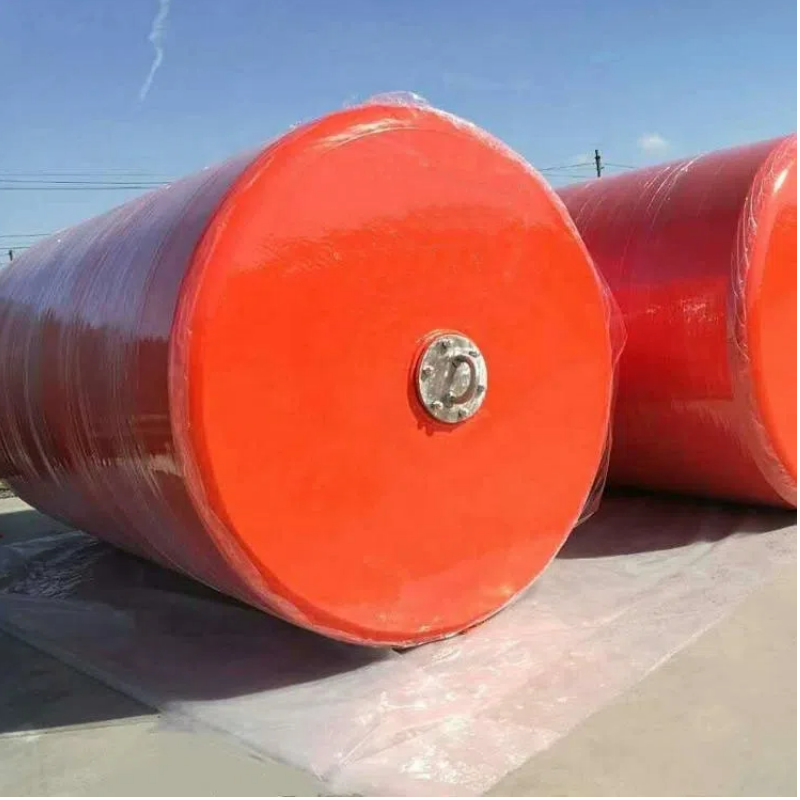
When selecting fenders for a boat, it’s crucial to consider the boat’s size and type of mooring conditions. Some common fender types include:
● Cylindrical Fenders: Common for most boats, cylindrical fenders offer excellent protection when docking in marinas or tight spaces.
● Ball Fenders: Great for larger boats and used to protect the sides of the hull, especially in rough conditions.
● Inflatable Fenders: Perfect for yachts or larger boats that require adjustable protection and easy storage.
For large boats, inflatable fenders are an ideal choice as they can provide more coverage without adding excessive weight.
Bumpers and buoys come in various forms to suit different needs:
● Flat Bumpers: Ideal for private docks where boats dock frequently. Their flat design ensures even distribution of impact force.
● Heavy-Duty Bumpers: These are better suited for commercial docks or high-traffic areas where boats are exposed to frequent impacts.
● Buoys: Used primarily for navigation and mooring, but some large, durable buoys can also act as fenders for fishing or recreational boats.
Choose bumpers based on the frequency and intensity of boat docking at your location. Flat bumpers are good for light traffic, while heavy-duty bumpers are necessary for high-traffic areas.
Consider your boat's size, weight, and the specific docking environment when selecting fenders. For smaller boats, such as PWCs, a lightweight, compact fender will suffice. For larger vessels, you may need inflatable or foam-based fenders that can provide greater surface coverage and durability.
The conditions of the water, such as tides, waves, and temperature, can affect your choice of protection. For instance, inflatable fenders are ideal in calm water, while heavy-duty fenders are necessary for more turbulent conditions. Ensure that the materials used are resistant to saltwater and UV exposure for long-lasting protection.
Proper installation ensures the maximum effectiveness of your fenders and bumpers. Make sure fenders are correctly secured to the boat, and bumpers are firmly attached to docks. Regular maintenance, including checking for wear and tear, ensures that these protective tools continue to provide reliable service.
Understanding the differences between boat fenders, bumpers, and buoys is crucial for choosing the right protection. Fenders absorb impacts when docking, bumpers protect your dock, and buoys can serve dual purposes. By considering your boat type, docking conditions, and water environment, you can keep your vessel safe. Hongruntong Shipbuilding (Beijing) Co., Ltd. offers high-quality boat protection solutions, ensuring durability and long-lasting safety for your boat.
A: Fenders are used to protect your boat from side impacts, bumpers are fixed to docks to protect both boats and the dock, and buoys are primarily for navigation but can serve as fenders in specific situations.
A: Fenders for a boat protect the hull from damage during docking or when mooring, preventing scratches, dents, and costly repairs.
A: Position fenders along the boat’s hull, covering the bow, stern, and midsection, where the boat is most vulnerable to impacts during docking.
A: Yes, bumpers can be used on docks to protect boats from contact, but they are fixed to the dock, unlike fenders for a boat, which are mobile.
A: Inflatable fenders are ideal for larger boats and provide adjustable protection, but traditional fenders are more durable for smaller, steady boats.
A: Buoys can serve as fenders for a boat, especially when dealing with angled hulls, as their round shape covers more surface area than traditional fenders.


