

Views: 0 Author: Site Editor Publish Time: 2025-12-26 Origin: Site


Have you ever docked your boat without considering the importance of fenders? Many boaters overlook this crucial piece of equipment until it’s too late. Fenders for a boat are your first line of defense against costly hull damage during docking, rafting, or mooring.
In this article, we’ll explore the importance of boat fenders and how they protect your vessel. You’ll learn why fenders are often overlooked and the significant impact they can have when correctly used.
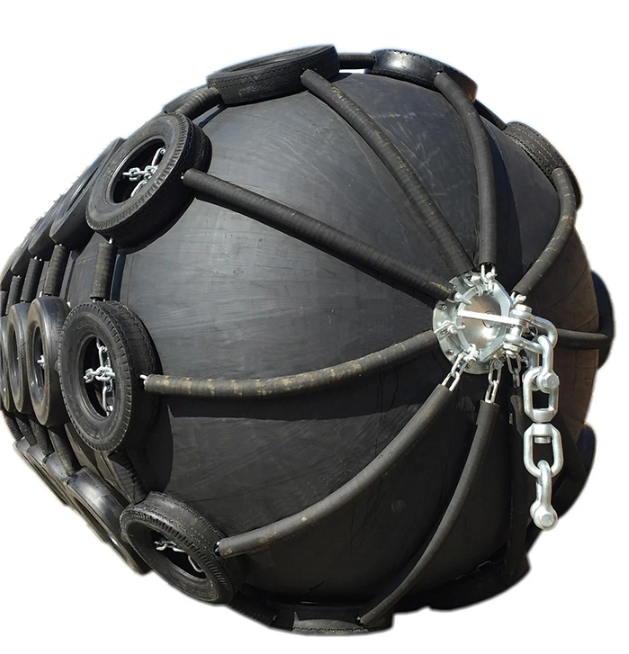
Fenders for a boat are inflatable or soft foam cushions placed between the boat and a structure like a dock or another boat. They absorb impact and act as a protective barrier, preventing damage to the boat's hull. Depending on the material—such as vinyl, foam, or rubber—fenders are designed to withstand pressure and harsh conditions, offering lasting protection.
Fenders help to prevent a wide range of potential hull damage, including:
Type of Damage | Description | How Fenders Help |
Scratches | Occur when boats scrape against hard surfaces like docks or other boats. | Fenders absorb the impact, preventing the hull from being scratched. |
Dents and Gouges | Deep impressions caused by heavy impacts, typically when docking in tight spaces. | Fenders cushion the boat from direct contact, preventing deep dents or gouges. |
Cracks | Caused by repeated impact or pressure on the hull, often during docking. | Fenders act as a buffer, reducing the likelihood of hull cracks from continuous contact. |
Chafing and Abrasion | Wear and tear on the boat's surface due to rubbing against rough surfaces. | Fenders protect the hull by providing a soft barrier, minimizing chafing or abrasion. |
Cylindrical fenders are the most common and versatile type used across all boat sizes. These fenders are typically deployed either vertically or horizontally and come in various materials such as soft vinyl. Cylindrical fenders offer solid protection, especially when positioned horizontally on pilings or vertically on docks.
Vertical vs. Horizontal Placement:
Placement Type | Ideal Use | Benefits |
Vertical Placement | Best for protecting the boat from flat surfaces like seawalls. | Provides targeted protection to the hull, preventing direct contact with flat structures. |
Horizontal Placement | Ideal when docking alongside pilings or uneven surfaces. | Spreads protection across a larger area, reducing pressure on any single point of contact. |
Round and spherical fenders are preferred by larger vessels, particularly those with flared V-shaped bows. The larger diameter of these fenders provides ample cushioning to prevent the boat's bow from touching the dock. The spherical design helps distribute pressure evenly, making them ideal for bigger boats that require more protection from impact.
Flat fenders are a great option for smaller boats or for specific uses like covering odd-shaped parts of the boat. These non-inflatable foam pads can be strategically placed to cushion hard-to-reach spots.
Transom-mounted fenders provide protection for the boat’s rear when docking stern-to at a marina, helping to avoid damage to the swim platform or outboards.
Rafting fenders are specifically designed to protect boats when rafted together, often during social gatherings at sea. They come in different styles, with cushion-style rafting fenders being larger and flat, preventing them from rolling or riding up. Cylindrical rafting fenders are often longer to ensure a larger surface area.
V-shaped fenders are designed with a self-centering feature, making them perfect for docking next to pilings, especially in windy or turbulent conditions. These fenders hold their position against the piling, reducing the risk of hull damage when your boat drifts against the pier.
When choosing fenders for a boat, one common sizing rule is to select fenders with a diameter of 1 inch for every 5 feet of boat length. For round fenders, the recommendation increases to 2 inches of diameter per 5 feet of boat length. Larger boats or boats in rough conditions may need larger fenders to ensure adequate protection.
In addition to boat length, consider these factors when selecting fenders:
● Boat weight: Heavier boats need more robust fenders to absorb the impact without compressing too quickly.
● Docking conditions: Boats in areas with large tidal changes or choppy waters need more resilient and larger fenders.
● Weather and environment: For boats used in areas with intense sun or saltwater exposure, UV-resistant materials and antifouling fender covers are crucial.
It’s essential to have enough fenders on board. A general guideline is to have at least four fenders, but larger vessels may require more. It's better to have a few larger fenders than many smaller ones. Be sure to position them to cover the most vulnerable areas of the boat.
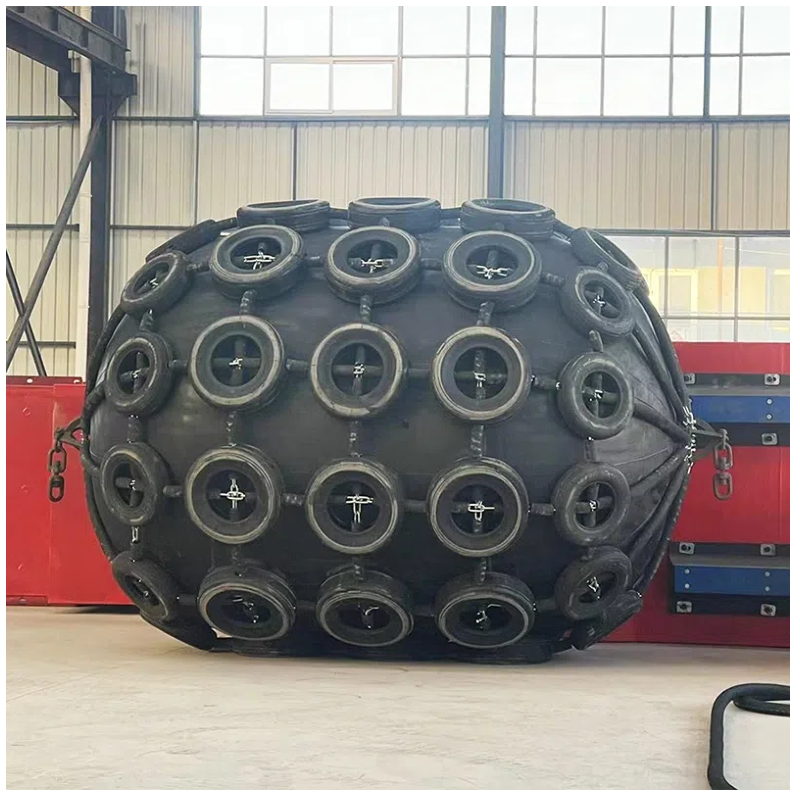
Proper placement of fenders ensures maximum protection:
● Bow: Place a fender near the bow to protect the front of the boat during docking.
● Midship: Place one or two fenders along the midsection where the boat is most likely to make contact with the dock.
● Stern: Use a fender at the stern to prevent damage when docking stern-to.
Placement Type | Ideal Use | Benefits |
Vertical Placement | Works well for flat dock surfaces and when docking alongside a floating dock. | Provides focused protection for specific areas, especially flat surfaces. |
Horizontal Placement | Ideal for pilings and when you need to distribute the pressure more evenly across a larger area. | Spreads the force over a larger surface, reducing the risk of localized damage. |
Boats in areas with significant tidal fluctuations require regular adjustments to the fenders. As the boat rises and falls with the tide, the fenders should be adjusted to maintain consistent protection. This can be done by ensuring fenders are tied securely and can be moved as necessary to accommodate the water level.
Fender covers are an excellent way to protect your fenders from environmental damage. These covers, made of durable materials like polyester, fleece, or poly-cotton blends, help prevent dirt, grime, and UV exposure, extending the life of the fenders.
Proper storage is essential for keeping fenders in good condition. Consider using fender racks or lifeline clips to store fenders securely and have them ready for deployment. This makes it easier to access fenders quickly, especially when docking in busy or tight spaces.
Inflatable fenders require regular maintenance to ensure they are functioning at their optimal pressure. Use a hand-operated fender pump to adjust the pressure, ensuring the fender maintains its shape and cushioning abilities when in use.
A common mistake boaters make is positioning fenders while approaching a dock. This can lead to fenders getting caught on pilings, reducing their effectiveness. Instead, try using crew members with roving fenders, who can place them in position once the boat is closer to the dock.
Fender whips and mooring lines are effective tools for boat protection. However, they should be used in conjunction with traditional fenders for maximum protection. Fender whips keep the boat a safe distance away from the dock, especially when dealing with choppy waters or large wakes.
Boat fenders are a key component of boat protection. They act as a cushion between your vessel and other surfaces, preventing damage during docking, rafting, or mooring. Proper selection, deployment, and maintenance of fenders are essential for the safety and longevity of your boat.
Regularly inspecting and updating your fenders ensures they provide maximum protection. Hongruntong Shipbuilding (Beijing) Co., Ltd. offers high-quality fenders designed to meet various boating needs, ensuring your boat stays safe in any condition.
A: Boat fenders are protective cushions that absorb impacts between your boat and docks, pilings, or other boats. They help prevent damage to the hull, making them a crucial first line of defense when docking or rafting.
A: To choose the right fenders for a boat, consider your boat’s size, weight, and the docking conditions. A common guideline is selecting fenders with 1 inch of diameter for every 5 feet of boat length.
A: No, different fenders are designed for specific situations. Cylindrical fenders are versatile, while spherical fenders are better for larger boats with flared bows. Select based on your needs and docking environment.
A: To deploy fenders for a boat, place them at key points: the bow, midship, and stern. Ensure they’re positioned vertically or horizontally based on the docking situation for maximum protection.
A: The cost of fenders for a boat varies based on size, material, and brand. Smaller, basic fenders may cost as little as $10, while high-quality, larger fenders can go up to $100 or more each.
A: Regularly inspect fenders for wear and tear. Clean them after each use, especially in saltwater environments, to prevent buildup. Ensure inflatable fenders are kept at optimal pressure for best performance.


