

Views: 0 Author: Site Editor Publish Time: 2025-12-31 Origin: Site


Boat fenders are often overlooked but are essential for protecting your boat. They act as cushions between your vessel and the dock, preventing costly damage. In this guide, we will explain how to properly attach dock fenders to safeguard your boat while docking. You’ll learn how to position, attach, and maintain fenders for long-lasting protection.
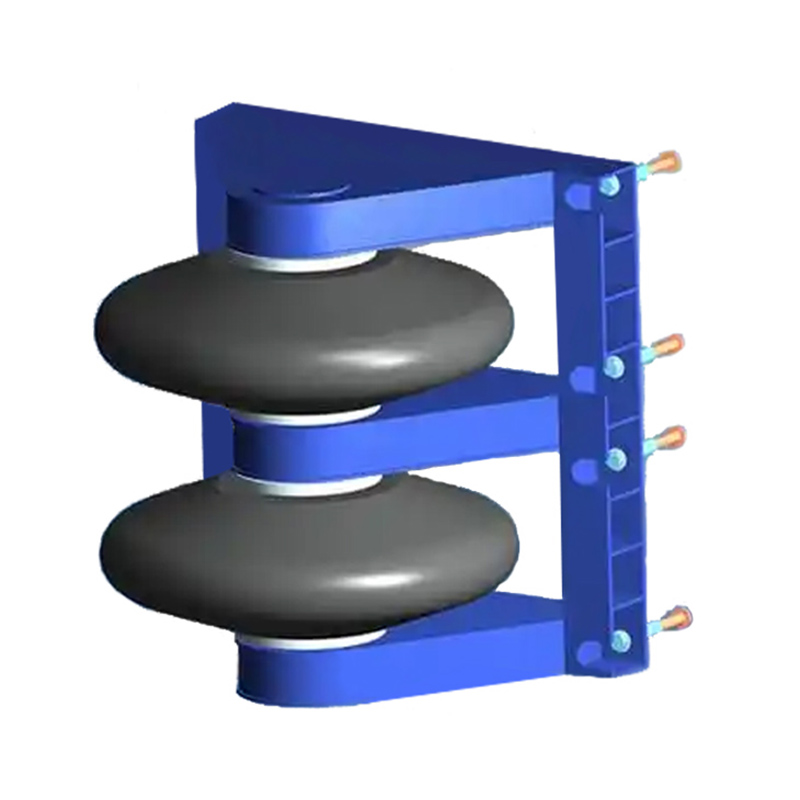
Boat fenders are inflatable or padded cushions designed to absorb the shock of impact when your boat makes contact with a dock, pilings, or another boat. These protective barriers help prevent scrapes, scratches, and dents that could otherwise damage your boat’s hull. Typically, fenders are made of durable materials such as vinyl, foam, or rubber, ensuring they can withstand the pressure from impacts without degrading quickly.
Boat fenders come in various shapes and sizes, each suited to different docking situations:
● Cylindrical Fenders: These are the most common type and can be used for boats of all sizes. They are versatile and can be hung vertically or horizontally depending on the needs of your docking situation.
● Round Fenders: These larger diameter fenders are ideal for larger boats. Their shape provides better surface area coverage, especially for boats with concave or V-shaped bows.
● Flat Fenders: These are typically used for smaller boats or specific scenarios where cylindrical fenders may not be practical. They are generally used when docking against flat surfaces.
● V-Shaped Fenders: These are particularly useful when docking next to pilings. The shape of the fender self-centers against the piling, ensuring the boat is well-protected even if the fender shifts slightly.
Fender Type | Ideal For | Key Feature |
Cylindrical Fenders | All boat sizes | Versatile, can be hung vertically or horizontally |
Round Fenders | Larger boats, concave or V-shaped bows | Provides better surface area coverage |
Flat Fenders | Smaller boats or specific docking needs | Used for docking against flat surfaces |
V-Shaped Fenders | Docking next to pilings | Self-centering design for easy alignment with pilings |
Boat fenders are your first line of defense against damage caused by impacts when docking. Properly positioned fenders absorb the shock of collision and act as a buffer between your boat and the dock, preventing scratches, gouges, and dents that could require expensive repairs.
Fender placement is just as important as choosing the right fender. They should be positioned in a way that maximizes the coverage of vulnerable areas such as the bow, midship, and stern. If the fenders are placed too high or low, or if they aren’t adjusted for the tidal range, your boat remains at risk.
Different docking environments require different fendering strategies. Below is a breakdown of the considerations for various docking situations to ensure the best protection for your boat.
Docking Scenario | Fendering Strategy | Key Consideration |
Docking Next to Pilings | Use fenders that fit well or consider a fender board | Pilings can push fenders aside, potentially causing damage. A fender board helps bridge the gap and provides extra protection. |
Floating Docks | Adjust fenders to accommodate tidal changes | Floating docks move with the tide, so it’s important to regularly adjust fenders to maintain a protective gap between the boat and the dock. |
Rafting Up | Use larger or additional fenders at contact points | When multiple boats are docked together, waves and boat movement can increase the force of contact, requiring larger or more fenders for optimal protection. |
Before attaching your fenders, assess the conditions of both the dock and your boat. Measure the height of the dock in relation to the boat and take note of the water levels, as tides can affect fender placement. You also need to factor in the size of your boat—larger boats need more substantial fenders.
Choose fenders based on your boat’s size and the docking conditions. For example, larger boats with deep V-hulls may require larger round fenders, while smaller boats can benefit from flat or cylindrical options. The general rule is to use one inch of diameter per five feet of boat length.
When placing fenders, ensure they are positioned at the most vulnerable points:
● Bow: Place one fender near the bow for front-end protection.
● Midship: Add one or two fenders along the middle, where most of the contact with the dock will occur.
● Stern: Position a fender near the stern to protect the back of the boat.
Consider whether to hang fenders horizontally or vertically. Horizontal hanging is best when the boat is parallel to the dock, while vertical hanging works well when docking alongside a seawall or flat surface.
There are several methods for securely attaching boat fenders to the dock. The table below outlines two common attachment methods, helping you choose the best option for your setup.
Attachment Method | Description | Key Consideration |
Cleats and Ropes | Tie fenders to dock cleats using ropes of the correct diameter (typically between 5/16 and 3/8 inches). | Ensure knots are secure to prevent fenders from shifting. |
Fender Straps | Use specialized straps provided by some docks to hold fenders in place. | Straps offer a more stable and adjustable solution for fender attachment. |
Using too small a fender is one of the most common mistakes. It’s better to have a few large fenders than multiple small ones. Small fenders won’t provide enough protection and may not absorb impact effectively.
Fender lines should be tied with secure, easy-to-release knots like the figure-eight knot or clove hitch. These knots ensure that the fenders stay in place, even under pressure.
Waiting until the last moment to adjust fenders or positioning them incorrectly (too high or low) can leave your boat vulnerable to damage. Be proactive and adjust your fenders well in advance of docking.
Note: Always monitor tide changes and adjust your fenders as necessary.
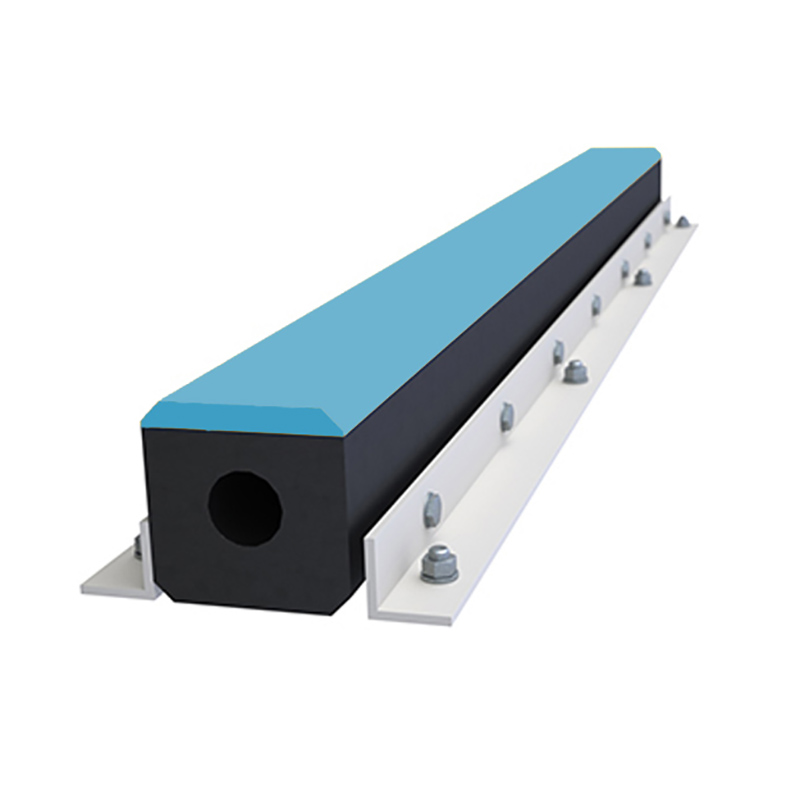
Fenders should be regularly cleaned to prevent the build-up of algae, barnacles, and other marine growth. This helps maintain their effectiveness and keeps your boat’s hull free from scratches. Store fenders in a dry place when not in use to prevent material degradation.
Inspect fenders regularly for signs of wear and tear, especially after being exposed to harsh weather conditions. Check for cracks, punctures, and fraying ropes. Replacing damaged fenders promptly can help prevent further damage to your boat.
Fender covers are an excellent way to protect your fenders from dirt and UV damage. They help prolong the lifespan of the fender material and prevent any contaminants from grinding into your hull.
If you have multiple fenders, consider using fender racks to store them when not in use. These racks keep your fenders organized and ready for deployment, saving valuable space on your boat.
Properly attaching boat fenders to your dock is crucial for protecting your boat from damage. Whether docking at a marina, rafting up, or mooring next to pilings, correct fender size and placement can make a significant difference. Regular maintenance ensures the longevity of both your fenders and boat. Hongruntong Shipbuilding (Beijing) Co., Ltd. offers high-quality fenders designed to provide lasting protection, helping you avoid costly repairs and keep your boat safe. Take action now to ensure your boat stays protected.
A: Dock fenders are protective cushions that prevent damage to your boat when docking. They absorb the shock of impact between your boat and the dock, pilings, or other boats, helping to prevent scratches and dents.
A: To attach boat fenders to a dock, use ropes or straps to secure them to cleats or other attachment points. Make sure they are positioned at key contact points on your boat, adjusting for tide changes to ensure proper protection.
A: The size of dock fenders depends on your boat's length. A common rule is to use one inch of fender diameter for every five feet of boat length. Larger boats may require bigger fenders for better protection.
A: Clean your dock fenders regularly to remove algae and debris. Store them in a dry place when not in use, and check for any wear and tear such as cracks or punctures to ensure they remain effective.
A: Correct fender placement ensures that the boat's hull is protected from impacts with the dock or other boats. Proper placement helps absorb shock and prevent costly damage during docking or mooring.
A: While it’s possible, using a few larger dock fenders is more effective than multiple smaller ones. Larger fenders provide better coverage and shock absorption, reducing the risk of damage.


