

Views: 0 Author: Site Editor Publish Time: 2025-12-24 Origin: Site


Docking your boat without proper protection can lead to costly damage. Have you ever wondered how to avoid those dreaded scratches and dents?
In this guide, we’ll explore how to choose the right fenders for a boat to keep your vessel safe. You’ll learn about different types of fenders, how to select the right size, and where to place them for maximum protection.
Boat fenders are designed to protect the sides of your boat from damage caused by docks, pilings, or other boats. They can be hung from the side or placed at specific points of contact. While the terms "fender" and "bumper" are sometimes used interchangeably, there’s a clear distinction. Fenders are typically used on the boat, while bumpers are used to protect docks or other vessels.
● Fenders for a boat: Protective barriers that hang on the sides of a boat to absorb impacts.
● Bumpers: Installed on docks or other boats to cushion any contact.
Boat fenders and bumpers absorb the energy of a collision, preventing the boat’s hull from making direct contact with hard surfaces like a dock or another vessel. They are designed to compress upon impact, spreading the force of the collision over a larger area. This helps minimize damage to the boat's structure, preventing costly repairs.
Fenders are especially useful in mooring and docking situations, where the boat is stationary, while bumpers are helpful when boats are rafted or tied together.
Using the right fenders and bumpers reduces the risk of costly hull damage. Whether you're docking in a marina or tying up with other boats, having fenders in place ensures that your boat’s surface remains protected from scratches, dents, and other structural damage.
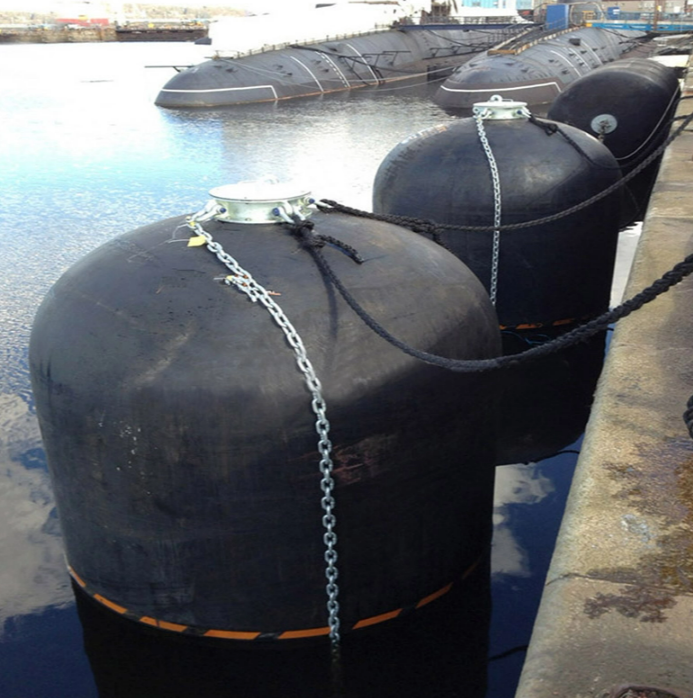
Traditional cylindrical fenders, often referred to as “sausage” fenders, are one of the oldest types. They are available in various sizes and typically feature ropes at each end for secure attachment. These fenders are effective but can be harder to manage on smaller boats, requiring more skill to tie the knots securely.
Pros | Cons |
Time-tested design | May require additional ropes and knot-tying skills |
Suitable for general docking needs | Can be cumbersome on smaller boats |
Despite their age, cylindrical fenders remain a reliable choice for many boaters, especially for general docking applications.
Inflatable fenders are a popular choice among recreational boaters. They are highly versatile and can be used for various applications, including raft-ups and tie-ups. These fenders are easy to store when deflated and offer great protection when inflated.
Pros | Cons |
Easy to store | Prone to punctures if not properly maintained |
Adjustable size for different applications | Requires inflation before use |
Inflatable fenders provide excellent flexibility for different boating situations, but proper care and maintenance are essential to ensure their longevity.
Modern, rectangular, and molded fenders are designed to fit specific docking needs. These fenders are easier to use than cylindrical ones, providing better aesthetics and protection. The flat design ensures they stay in place and don’t roll around.
Pros | Cons |
More user-friendly | Less compact than inflatable options |
Aesthetic appeal and versatile applications |
These fenders offer a modern solution to boating protection, combining ease of use with enhanced functionality and a sleek design.
For specific boat types, specialized fenders are available to offer tailored protection. These fenders are designed to meet the unique needs of different watercraft, providing the best fit and performance. Here are some common specialty fenders:
Fender Type | Description | Ideal For |
Pontoon Fenders | Protect the delicate aluminum fencing and metal toons on pontoon boats. | Pontoon boats |
PWC/Jet Ski Fenders | Smaller in size and designed for quick deployment in tight spaces. | Personal watercraft (PWC) and Jet Skis |
Transom-mounted Fenders | Attach to the rear of larger boats, protecting the transom when docking stern-to. | Larger boats docking stern-to |
The size of the fender plays a crucial role in how well it protects your boat. Generally, larger boats require bigger fenders to absorb the impact. Here's a quick guide to help you choose the right size based on boat length:
Boat Length | Cylindrical Fender Diameter | Round Fender Diameter | Flat Fender Size |
Under 10' | 3" | N/A | Small |
10'–15' | 3"–4" | 9" | Small |
15'–20' | 5"–5.5" | 12" | Small |
20'–25' | 6"–6.5" | 15" | Medium |
25'–35' | 8"–8.5" | 18" | Medium |
35'–50' | 10.5"–12" | 21" | Large |
50'–60' | 12" | 27" | Large |
60'–72' | 15"–24" | 27" | Large |
Tip: Match your fender’s size to your boat’s length to ensure optimal protection.
The diameter of your fender affects its cushioning capacity. Larger diameters provide more cushioning, while smaller diameters are more suitable for tight docking situations. Consider the shape of the fender as well—round fenders are good for specific points of contact, while flat ones cover more surface area.
For larger boats, it's essential to use oversized fenders that offer greater protection. These fenders need to be able to handle the increased impact force that comes with the weight and size of the boat.
The placement of your fenders is just as important as their size. Here’s a general guide for positioning fenders:
● Bow: One fender near the front to protect against impacts with the dock.
● Midship: One or two fenders placed in the middle to protect the broadest section of the boat.
● Stern: A fender placed near the rear to guard against contact with the dock.
The height at which you hang your fenders will depend on the type of dock. If you're docking against a floating dock, you may need to raise the fenders slightly above the waterline. If docking at a fixed dock, ensure that the fenders are placed just below the dock’s edge.
Fender boards span the gap between pilings and can provide additional protection in tricky docking situations. These boards prevent fenders from being pushed aside when docking near pilings.
Tip: Use fender boards when docking near pilings to prevent fenders from losing their position.
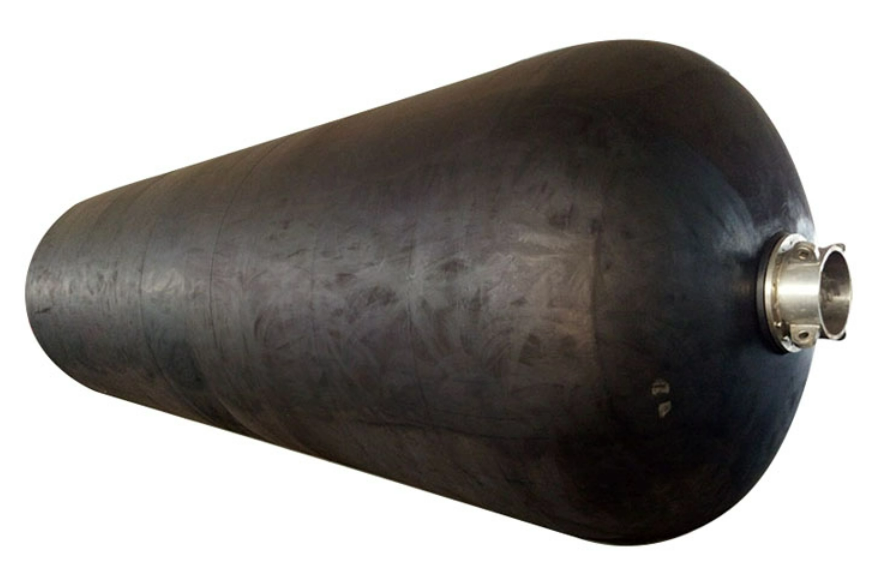
When using fenders, the right line and mounting gear are essential. Use durable, UV-resistant ropes that can withstand wear and tear. Fender lines should be long enough to adjust the fender height as needed but strong enough to hold the fender securely.
To prevent scuffs and damage to your boat’s surface, consider using fender covers. Additionally, storage solutions such as racks or cases can help keep your fenders organized when not in use.
Automatic fender adjusters are a convenient tool that makes adjusting fender height easier. These gadgets help you set the fender at the perfect height without manual adjustments.
Placing fenders in the wrong spots can lead to hull damage. Always position fenders where impacts are most likely to occur.
Choosing the wrong fender size can result in inadequate protection. Be sure to select a size that matches your boat’s length and docking conditions.
Fenders need regular checks for wear and tear. Damaged fenders should be replaced promptly to ensure they provide proper protection.
Choosing the right fenders for your boat is crucial for protecting it during docking and mooring. By selecting the correct type, size, and placement, you can greatly reduce the risk of costly damage. Regular maintenance and proper adjustment are key to ensuring their effectiveness. Hongruntong Shipbuilding (Beijing) Co., Ltd. offers high-quality fenders designed for durability and performance, providing boat owners with reliable solutions for safeguarding their vessels.
A: Fenders for a boat are protective barriers that absorb impact when docking or mooring. They help prevent damage to your boat’s hull from contact with docks, pilings, or other boats.
A: The right fender size depends on your boat's length and docking conditions. Larger boats require bigger fenders, while smaller boats need smaller ones to provide adequate protection.
A: Inflatable fenders are versatile and easy to store, making them ideal for various docking situations, especially in areas with unpredictable weather or during raft-ups.
A: Yes, cylindrical fenders can be used for smaller boats but may require extra ropes for secure placement. They are a traditional option for protecting the hull.
A: Regular maintenance is crucial. Check for wear and tear, ensure fenders are properly inflated, and replace any damaged ones to maintain effective protection.
A: Fenders for a boat are typically used on the boat itself, while bumpers are installed on docks or other boats to protect against impacts.


